Search Results
258 results for “Hairball paste”
Roughly dark brown paste and some yellow water
Vomiting yellow fluid has many causes: bad food, gastritis, hairballs, parasites. Fast 12h and give probiotics; if no relief or other symptoms, see a vet.
My cat had diarrhea and wouldn’t eat, got anti-inflammatories, no improvement, ultrasound found hairballs, sent home, but now worse
The report shows mainly some inflammation, no major abnormality. If hairballs are confirmed, the diarrhea is from hairball-induced gastroenteritis; help expel them with hairball-control food, cat grass, or paste. If no improvement or worsening, see a vet.
My Cat Throws Up Yellow Foam with Hairballs Around Midnight Every Other Day, Medicine and Shots Don’t Help, Tests Show Only Inflammation. What Should I Do?
Based on the symptoms and photo, the vomiting is likely caused by hairball-induced gastritis. You can give hairball paste or cat grass to help pass the hair, and treat the gastritis with pet anti-inflammatory medication as directed.
How to promote a cat’s hairball expulsion (vomiting fur)?
Cat grass induces vomiting but frequent vomiting harms health; better prevent hairballs: 1) daily brushing to remove loose fur; 2) hairball paste/tablets to lubricate and pass fur; 3) high-fiber food (pumpkin, peas, rice bran) to aid elimination.
What are cat hairball cans like?
Hairball cans add gut-lubricating ingredients to help pass hair, with some effect. But do not feed often; cans are for fullness and appetite, rarely with hairball agents, and many new products are immature and may cause reactions. Hairball paste works better.

Coccidiosis vs. Hairball Blockage in Rabbits: How to Tell Them Apart
Coccidiosis and hairball blockage sound alike but are different: coccidiosis is a parasitic infection needing antibiotics and clean housing, while hairballs come from swallowed fur and are eased with malt paste and fiber. Knowing the difference guides the right treatment.
How to Help Your Cat Pass Hairballs — 5 Easy Ways
Preventive hairball care starts with cat grass or hairball tablets; if shedding is heavy or mild hairball symptoms appear, a hairball paste helps. Daily play with a wand or laser for 20–30 minutes also moves the gut and lets hair pass naturally.
Is Cat Hairball Vomiting Good or Bad?
An occasional hairball is not a 'good' thing — it's just the body clearing built-up fur. If vomiting is rare (once every 1–2 months), the cat stays lively with normal eating and the vomit is only fur and a little mucus, there's little to worry about. But frequent vomiting, or signs like lethargy, poor appetite, diarrhea, or weight loss, often point to a gut problem and warrant a vet visit.
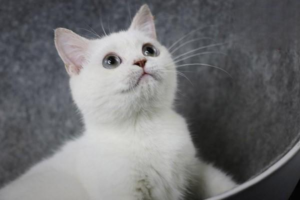
Hairballs: What Every Cat Owner Should Know
Cats groom constantly, and their barbed tongues pull loose fur into the stomach—making hairballs unavoidable. Normally the fur passes in stool or comes up as a vomit with a wet clump; trouble starts when it builds up. The best defenses are frequent brushing to cut intake, cat grass (wheat, barley, oat seedlings) whose fiber helps move fur through the gut, and hairball paste that lubricates with glycerin so the cat passes it. This guide explains why hairballs form and how to prevent them.
What does it look like when a cat vomits a hairball?
A hairball forms when a cat swallows more hair than its digestive system can pass. Here is what a typical hairball looks like and when to worry.