Search Results
782 results for “Gastroenteritis”
How do dogs catch parvovirus (parvo)?
Canine parvovirus is a severe, contagious disease caused by the parvovirus. Dogs catch it two ways: directly, by contacting the feces and secretions of an infected animal, or indirectly, through contaminated objects or even transmission via people. Because early signs mimic gastroenteritis, PCR testing is usually needed to confirm.
What causes a cat to pass blood in its stool?
Blood in a cat's stool can come from acute gastroenteritis, panleukopenia (feline distemper), or a parasite infection, and only screening confirms which. Get a vet work-up - blood count, distemper antigen, fecal exam - then treat the cause: gastroenteritis or distemper usually needs fluid therapy, while parasites are handled by deworming.

Beal’s Eyed Turtle
A rare, China-endemic, largely vegetarian water turtle with four 'eye-spots' on its head - sensitive to water quality and of conservation concern.
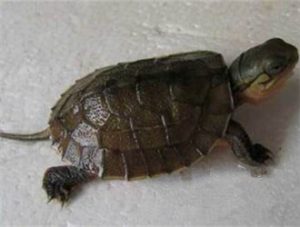
Iverson’s Turtle
Iverson's Turtle (Mauremys iversoni), also called the Fujian stone turtle, is a China-endemic turtle found only in Fujian and Guizhou. Very rare, it is listed under China's protected-wildlife category, and its taxonomic status is debated — some research suggests it may be a hybrid.

Yellow-bellied Slider
The Yellow-bellied Slider (Trachemys scripta scripta) is a common, hardy and inexpensive North American slider with a yellow belly and yellow 'ear' patches. Easy to keep but a messy, fast-eating carnivore-leaning omnivore.

Canine and Feline Gastrointestinal Adenoma (Polyps)
A gastrointestinal adenoma, also called a polyp, is a benign gut growth seen more often in dogs than cats and can appear anywhere in the digestive tract. Surgical removal usually cures it, though rectal polyps tend to return.

Food Poisoning in Dogs and Cats
Food poisoning occurs when pets eat spoiled food whose bacteria have produced toxins. Signs are depression, vomiting, diarrhoea and a swollen abdomen, and severe cases can die within half a day without prompt care.

Arsenic Poisoning in Dogs and Cats
Arsenic compounds are extremely toxic and cause severe haemorrhagic gastroenteritis with later nervous-system and marrow signs. Removing the toxin and chelation therapy are the basis of treatment.

Iron Metabolism Disorders in Dogs and Cats
Iron metabolism disorders in dogs and cats include iron deficiency, microcytic hypochromic anemia with weakness and poor endurance, and iron overload from excess intake or poisoning, causing gut signs and acidosis. Deficiency is corrected with dietary iron and treatment of blood loss or parasites.

Gray Collie Syndrome: Symptoms, Treatment, and Prevention
Gray Collie Syndrome is a fatal inherited disorder of Collie breeds in which cyclical drops in infection-fighting neutrophils leave puppies vulnerable to repeated bacterial illness, with fever, joint pain, and severe gum inflammation. Affected dogs must never be bred.