Search Results
146 results for “Fertility”

How to Properly Raise a Non-Pregnant Doe Rabbit
A non-pregnant (resting) doe is one between weaning her litter and the next mating. Too long a rest period lowers fertility and hurts farm profitability. This article covers factors affecting the doe's rest period and how to feed her properly.

Side Effects of Feeding Fish to Cats Long-Term
Long-term fish feeding harms cats: fish thiaminase destroys vitamin B1, fish drains vitamin E, and fish-liver phosphorus blocks calcium absorption. It also makes cats addicted and picky. Supplement B1, E, and calcium if fish is on the menu.

Why Does a Doe Fail to Conceive and Miscarry Easily?
Many factors cause repeat-breeding infertility and miscarriage in does, mostly unbalanced nutrition. This article details the causes of both problems.

Why Female Rabbits Struggle to Conceive
Many factors make conception difficult for does: underdeveloped reproductive organs, reproductive disease, poor management, or dead sperm in the buck. This article details the main reasons.

How to Improve Rabbit Breeding Rate
To compete and profit, rabbit farms must raise quality and output. Here are ways to lift breeding rate and litter size.
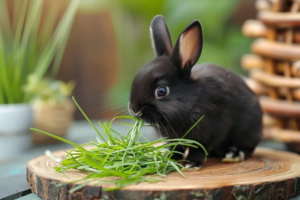
Chinese White Rabbit: Traits and Care Tips
The Chinese white rabbit is an ancient, hardy, disease-resistant breed—small, compact, early-maturing, and prolific. Feed kits a stable diet of quality junior pellets and alfalfa (no veggies/fruit), with constant clean water, to raise them well.
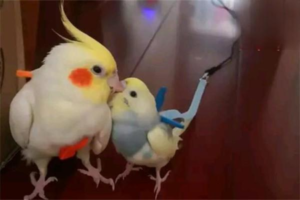
What to Do If Your Parrot Is Overweight
Obesity in parrots is dangerous — it causes fatty liver, organ strain and even death, and can stop them flying. Causes are excess calories and little exercise; fix it with more activity and a low-fat diet.
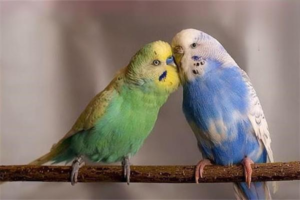
Why Does My Parrot Lay Eggs That Don’t Hatch?
Unhatched eggs are infertile ('clear') eggs — from two females, an immature or disabled male, or poor mating. Improve fertility with the right pair, minerals, a calm environment, and a leaner diet.
What happens after a male rabbit is neutered?
After neutering, hormone-driven aggression, territory marking (spraying urine), and dominance fights drop sharply, and the temperament is steadier. Less spraying improves cage hygiene and weakens urine odor. It also lowers risk of sex-hormone-related diseases like prostate issues and testicular cancer. Neutering removes fertility, avoiding the stress of frequent heats and breeding.
What happens if a male dog has an undescended testicle (cryptorchidism)?
Cryptorchidism can cause health problems in male dogs. The retained testis sits in the warm abdomen or groin and may become cancerous. It is hereditary and can affect fertility and lead to torsion or prostate issues, so neutering is advised.