Search Results
146 results for “Fertility”
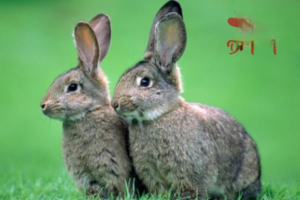
How Does Light Affect Rabbits?
Light shapes nearly every side of a rabbit's life, but only in the right amount. Longer days advance sexual maturity and support doe fertility (aim for 14–16 hours at ≥4 W/m²), while over-lighting bucks harms sperm and weight. Moderate light also drives coat growth and the twice-yearly molt, and keeps housing dry enough to fend off parasites and fungal skin disease.
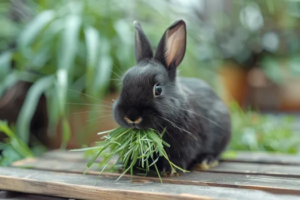
Why Light Matters for Rabbit Growth
Light is essential to a rabbit's health — moderate exposure aids growth, speeds fur production, and boosts fertility, with long-haired rabbits the most dependent (artificial light can lift their yield about 35% over natural). Lean on natural light first and top up with artificial, giving breeding does around 16 hours; but keep summer sun short to avoid heatstroke.
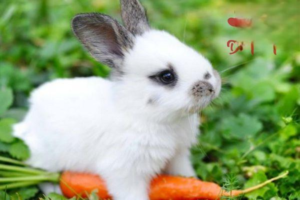
How to Improve Breeding Success in Does
Breeding success starts with the buck: restore his libido and semen quality through teasing, testicular massage, and hormone therapy, since sperm take 50–60 days to regenerate. Mate does at peak estrus using repeated or double coverage, and pregnancy-check at eight days to rebreed quickly if she is open.
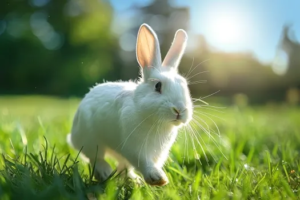
The Saibei Rabbit: A Breed Profile
The Saibei rabbit is a large dual-purpose (meat and fur) breed developed from the French lop and Belgian hare, common across northern China. It grows fast, breeds well, and resists disease, though litters vary in colour and build; like other large rabbits it is prone to sore hocks and ear mange, and it needs ample feed plus a strong constitution for good meat quality.

How to Treat Mites in Dogs
Dogs pick up mites easily, and an untreated infestation leads to skin disease. The three main types — sarcoptic, demodectic, and ear mites — each show distinct signs, and treatment runs from topical sprays and ointments for mild cases to injections for widespread infection, with prevention built on regular parasite control and good skin nutrition.

How to Improve a Buck Rabbit’s Breeding Performance
Improving a buck's breeding performance starts with selection — strong libido, even testicles, stable three-generation genetics, and no cryptorchidism — plus controlled mating (2–3/day with rest days) and a balanced, protein-rich ration raised before breeding. Avoid inbreeding, keep the herd mainly 1–3 years old, and watch temperature: over 30 °C or under 5 °C tanks fertility.
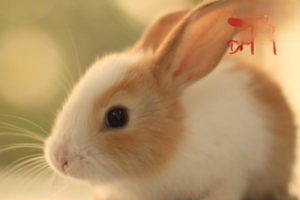
How to Bring a Non-Cycling Doe Rabbit Back Into Heat
A doe that won't cycle has physiological, pathological, or management causes. Congenital genital defects mean culling; nutritional extremes need feed correction; ovarian cysts take progesterone (5–7 days), persistent corpora lutea take cloprostenol, and infections get postpartum antibiotics. To prompt heat, improve ventilation and buck contact, group and stimulate with a buck, use cloprostenol with pregnant-mare serum, or short-term flushing — and remember heat stress is a common trigger.

Cat Chin Acne (Feline Folliculitis): Symptoms and Treatment
The "black chin" is feline folliculitis — overactive sebaceous glands clogging the pores, essentially the same as human acne. Most cases are mild and clear up with saline wipes, a diet lower in oil, and swapping plastic bowls for ceramic or stainless steel; neutering also helps by steadying hormone levels.

At What Age Should Dogs Stop Breeding?
Most veterinarians advise retiring a female dog from breeding around age 6, since fertility and fitness decline with age and the risk of difficult labor rises — small breeds may go longer, large breeds reach their limit sooner. Males have no hard cutoff but their fertility and drive fall with age, so pacing matings protects both body and mind; always plan with a vet, because too-frequent breeding raises the bitch's risk of pyometra and miscarriage.

How to Balance a Rabbit’s Feed
Feed cost is a big share of rabbit raising, so matching feed to the animal's needs pays off. Protein and crude fiber must sit in the right range for each life stage, and shortfalls of phosphorus, magnesium, manganese, or vitamins A, D, and E directly undermine breeding success.