Search Results
165 results for “Fecal exam”
What are the symptoms of Toxoplasma infection in cats?
Toxoplasma symptoms in cats include diarrhea, abdominal pain, vomiting, reduced appetite, rapid breathing, jaundice, and weight loss. Some cats show no clear signs, making it hard to notice, but pregnant cats may miscarry or have deformed or stillborn kittens. Diagnosis uses a fecal test strip or blood test; treat with sulfonamides. Since toxoplasmosis can spread to humans, owners should also get checked.

Why Is My Dog’s Stomach Gurgling but No Diarrhea?
A gurgling dog stomach without diarrhea is usually from indigestion or an early sign of gut inflammation. Normal digestion makes soft sounds, but very loud borborygmi can mean eating too fast or gas-producing foods like sweet potato, beans, or meat. Parasites or gut inflammation can also disrupt the flora. If there's no diarrhea or other abnormality, try pet probiotics; if other symptoms appear, see a vet.
Bringing Home a Stray Kitten? A Complete New-Owner Checklist
A found kitten needs a vet check and a 1–2 week quarantine before meeting resident pets, then a schedule of deworming, FVRCP + rabies vaccines, and neutering. Set up a quiet space with hideaways, feed by age (formula → softened kibble → kitten food), and start litter and socialization training early. Patience beats force at every step.

What to Do After Adopting a Stray Cat
After adopting a stray cat, take it for a full vet check, then deworm and vaccinate it. Prepare supplies and a safe home, bathe only after it has settled in, and quarantine it from resident cats. These steps help your stray stay healthy and adjust.

What Are the Symptoms of Coccidiosis in Guinea Pigs?
Coccidiosis in guinea pigs starts quietly—low energy, poor appetite, and weight loss—then progresses to diarrhea with blood or mucus as the parasites steal nutrients and damage the gut lining. Left alone it leads to malnutrition, low blood sugar (weakness, wobbliness, collapse), and can end in shock or death. Some pigs show nervous signs like tremors or a tilted head, fever, and clear digestive distress. Diagnosis is confirmed by finding oocysts under a microscope; treatment uses anticoccidial drugs (sulfonamides, quinolones) at the vet's dose, plus fluids and electrolytes for support. Prevention is clean housing, disinfection, balanced feed, and good parasite control—so see a vet early rather than waiting.

Why Your Cat’s Diarrhea Persists Despite Probiotics
It is a common story: your cat has soft stool or diarrhea, you reach for a probiotic, and the problem does not go away. Probiotics can help the gut, but they are not a cure for every loose stool, and not every product on the shelf is what it claims to be. Understanding why they sometimes fail points you toward the real fix.

Hookworms in Dogs: Symptoms and Deworming
Hookworms are intestinal parasites named for their hook-like mouthparts, which anchor them to the gut wall. Only about an eighth of an inch long, they are hard to see, yet they drink large amounts of blood from tiny vessels and can inflame the gut, cause anemia, and threaten life, especially in puppies. Dogs catch them by mouth, through the skin, or from mother to pup via placenta and milk. Signs include pale gums, weakness, weight loss, and bloody diarrhea. Diagnosis is a fecal float, and treatment is regular deworming plus a repeat dose to kill newly matured worms.

Health Checks Every Cat Owner Should Know
Must-do checks: a baseline exam plus a four-way infectious test (panleukopenia, herpes, calicivirus, coronavirus) for every new cat—do it early, before symptoms turn deadly. Antibody tests suit cattery-bought kittens. Pre-surgery bloodwork matters for seniors; post-illness rechecks and fecal/SAA/urine tests catch parasites, inflammation, and urinary disease. Skip unnecessary ones: toxoplasma testing is mainly for pregnant households, and X-rays are for swallowed objects or fractures.
Internal Parasites in Turtles: Flukes and Protozoa
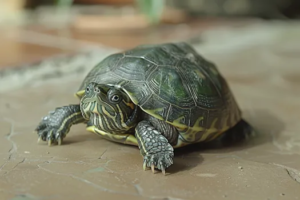
Flukes and protozoa are among the more common internal parasites in pet turtles, and knowing their signs helps you act before they drain your turtle's health. Flukes lodge in the liver, pancreas, and gut, causing appetite loss and bloody stool, while protozoa such as amoebas inflame the intestine and often trigger bacterial enteritis at the same time. Both are diagnosed through fecal checks and treated with specific dewormers plus gut support. This guide lays out the symptoms and the matching treatment for each parasite.

What to Do If Your Dog or Cat Has Tapeworms
Many species of tapeworms parasitize dogs and cats, and the adult worms seriously harm their health, while the larval stages often use livestock or humans as intermediate hosts, threatening both animals and people. Common species include Dipylidium caninum, Taenia spp., Echinococcus granulosus, Mesocestoides, Spirometra mansoni, and Diphyllobothrium. Infection causes intestinal inflammation, malnutrition, and in severe cases intestinal blockage, with signs like vomiting, diarrhea, weight loss, and odd behavior. Diagnosis relies on clinical signs plus fecal egg exams. Prevention means regular deworming, not feeding raw offal, and controlling fleas. Treatment uses praziquantel (5 mg/kg dogs, 2 mg/kg cats), arecoline hydrobromide, bunamidine, or fenbendazole under veterinary guidance. Because some tapeworms (like Echinococcus) also endanger human health, prompt and correct control matters.