Search Results
6152 results for “FIC”

Taboos to Avoid When Raising Rabbits on a Farm
Good rabbit husbandry means avoiding common mistakes: keep the hutch dry and quiet, control heat, vary the diet, feed measured amounts, transition feed gradually, and never serve spoiled feed or skip nighttime feeding and water. Following these basics lowers disease risk and keeps rabbits thriving.

What to Do When a Cat Vomits After Eating Cat Litter
Vomiting after a cat eats litter is usually acute gastroenteritis from gut irritation. Soothe the gut, fix the litter-eating habit, and see a vet if vomiting continues—supportive home care includes short fasting and small, frequent bland meals.

How to Feed Rabbits Fresh Greens Properly
Fresh greens benefit rabbits—they help prevent disease, control body condition, and counter heat and humidity—but must follow three rules: feed little and often, pair with concentrated feed for energy, and serve fresh rather than cooked.

Disease Prevention for Newly Weaned Rabbit Kits
Newly weaned kits face three big threats: coccidiosis (prevent with medication from supplementation through 3 months), diarrhea from enteritis/E. coli/Clostridium (prevent via strict feeding), and rabbit hemorrhagic disease (vaccinate—no cure, so boost all stock on outbreak). Good prevention raises survival.

Can Cats Eat Dog Food Without Becoming Malnourished?
Cats must not eat dog food: they need two to three times more protein than dogs, plus more vitamin A and B1 (taurine), and cannot handle dog food's high carbs. Long-term dog food causes malnutrition, poor coat, and diabetes—always feed species-appropriate food.

What Are the Causes of Chronic Colitis in Dogs?
There are many causes of chronic colitis in dogs, which may be caused by bacteria, fungi, or intestinal parasites, or may be triggered by eosinophils. Chronic colitis in dogs causes long-term diarrhea symptoms and needs timely treatment to avoid dehydration. To learn more, read on with us about the causes, symptoms, and treatment of chronic colitis in dogs!

Do Pet Rabbits Really Not Need Baths?
Rabbits can be bathed, but rough handling or wrong water temperature causes dangerous stress. Use rabbit-safe products or plain water, be gentle and quick, and dry thoroughly with a low, indirect warm airflow. Bathe only when truly needed—each bath is a risk.

What to Watch When Feeding Rabbits Different Feeds
Rabbit feeds include greens, pellets, roughage, and concentrates, each with rules: keep greens clean, mix legumes with grasses, avoid mold, feed tender young greens sparingly, and check for toxic plants. For roughage, understand drying methods—artificial high-heat hay keeps the most nutrients.
Rabbit Feeding Rules
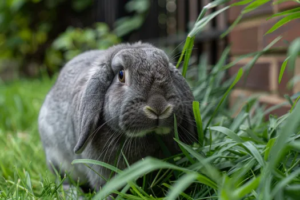
The kit-to-juvenile stage needs extra care. Vaccinate at 30–45 days, feed weaned juveniles pellets four times daily in small amounts, limit greens for light kits, give breeding stock peanuts, and never use chicken or pig feed—only rabbit-specific pellets with alfalfa-based hay powder.
Feeding Principles for Rex Rabbits
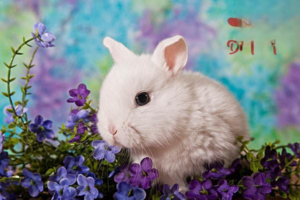
Rex rabbits are herbivores fed mainly on greens and roughage with limited concentrates (greens 60–70%, roughage+concentrates 30–40%). Vary the diet, keep feed and water fresh, change feed gradually, prefer palatable pellets, and feed on a fixed schedule to aid digestion.