Search Results
6120 results for “FIC”

Kitten Has Diarrhea, Won’t Eat, and Is Lethargic
Diarrhea with no appetite and low energy in a kitten usually means a diet switch, gastritis, or worms. A probiotic and easy food help mild cases; severe ones need a fasting period and a vet. Find the cause before treating, and deworm every three months.

What Are the Early Symptoms of Canine Distemper?
Early distemper mimics a cold — watery nose, fever spikes, red tearing eyes, and growing lethargy with appetite loss. It's highly fatal without prompt care. Vaccination and isolation are the real defenses; see a vet at the first signs.

How to Kill Fleas on Your Cat
Fleas are tiny jumping parasites that irritate the skin and spread illness. For light infestations a topical spot-on treatment works; for larger ones a vet-approved external parasite product plus an Elizabethan collar prevents poisoning. Regular deworming and a clean home stop them returning.
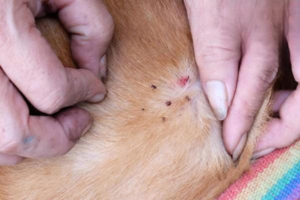
Do Cats or Dogs Have More Parasites?
Cats and dogs share most parasites, so neither has 'more'; the load depends on environment and health. Roundworms, hookworms, tapeworms, and others cause real harm, and a regular deworming schedule keeps them down.
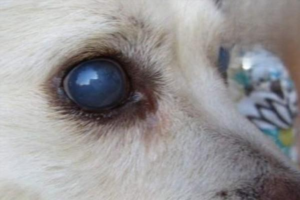
What to Do About Dog Cataracts
Cataracts cloud the lens and slowly steal a dog's sight, worst in older dogs where it advances slowly. The only real cure is surgery, but early stable cases may need none; afterward, careful aftercare and breed-specific eye hygiene matter.

Puppy Tracheitis and Bronchitis: Symptoms and Treatment
Dog tracheitis and bronchitis come from repeated viral or bacterial infection plus cold, smoke, and dust irritation, but with good home care and the right medication the recovery rate tops 95%. Watch for cough, fever, and breathing trouble.

How to Treat a Cat’s Fungal Skin Infection
Cats get fungal skin infections when their skin barrier is weak, from warm indoor air, play wounds, contact with infected cats, or low immunity. Treatment means clipping and medicating the spot, stopping licking, and boosting nutrition until it clears.

Dog Coronavirus: Treatment and Recovery
Dog coronavirus spreads through contact with infected feces and causes sudden vomiting, diarrhea, and lethargy, with cases able to relapse 14-21 days after signs fade. Supportive care, vet-prescribed meds, and gut-resting food let most dogs recover, but severe cases need a hospital.

What to Do If a Newborn Kitten Gets Ringworm
Newborn kittens catch ringworm easily because their immune systems are still weak. The response is the same as for any cat: isolate, treat the spots gently, boost nutrition, and keep the environment clean, but with extra care given their tiny size.

What to Do When a Kitten Has Heavy Eye Discharge and Can’t Open Its Eyes
Heavy eye discharge and eyes that won't open in a kitten usually point to neonatal conjunctivitis or feline rhinotracheitis (cat flu), though rich, greasy food can also be the cause. Each needs a different approach: gentle cleaning and antibiotic drops for infection, and prompt vet care plus antiviral support for cat flu. Act early to avoid worse disease.