Search Results
6120 results for “FIC”
What should I do if my cat’s urine is very yellow and concentrated?
Yellow, concentrated urine is often from low water intake, but urinary diseases (urethritis, cystitis) can also cause it—see a vet if urination is frequent, painful, or bloody. GI illness with vomiting or diarrhea can concentrate urine through dehydration too.
How do I care for clownfish?
Clownfish are saltwater fish. Here is the tank, salinity, filtration and feeding setup.
My cat won’t eat and is lethargic – she is a newly weaned mother. What could be wrong?
A newly weaned mother cat not eating may have mastitis or uterine infection. Here is what to check.
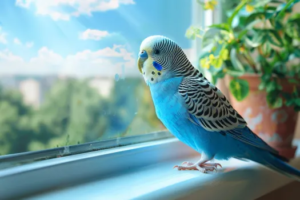
What to Do When Your Budgerigar Has an External Injury
Budgerigars commonly suffer minor scrapes, broken toes, or beak injuries in the cage. While small wounds often heal on their own, you should always disinfect the area to prevent infection; serious trauma such as a broken beak or leg can permanently affect the bird's ability to eat and move.

Common External Diseases in Parrots
Parrots kept in captivity are especially prone to external conditions such as skin tumors, feather-plucking (self-mutilation), and scaly-face mite infestation. Understanding their causes, symptoms, and treatments helps you prevent them and act quickly if they appear.

What to Do When Your Dog Refuses to Toilet at Home During Quarantine
Dogs trained to relieve themselves outdoors often refuse to go at home during lockdown. Help them by setting up a familiar toilet spot with pee pads, adding their own scent, mimicking outdoor ground, and encouraging water intake—and ease their stress with play.
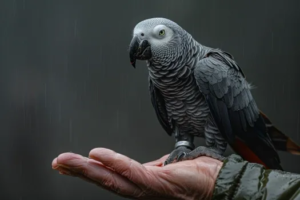
What to Do When Your Budgerigar Has Scaly-Face Mites
Scaly-face mite infestation in budgerigars starts as grayish, flaky bumps around the beak and feet and can spread to cause feather loss and beak deformity. Treat it by isolating the bird, applying petroleum jelly to suffocate the mites, and keeping the cage clean.

What Causes an Arowana to Become Startled?
Arowanas look fierce but are timid and startle easily—mild cases refuse food or jump, severe cases crash into the glass and risk death. Common triggers include poor tank placement, new environments, bullying tankmates, water changes, and pets or children. Identify the cause quickly and address it.
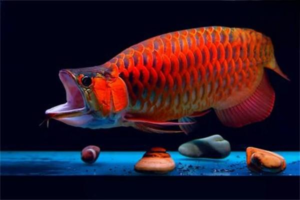
Preventing Arowana Fright: A Beginner’s Guide
Although arowanas are large ornamental fish, they are very timid and startle easily, leading to repeated jumping, glass-slamming, scale loss, and refusing food. Prevent it by placing the tank away from doors, avoiding sudden noise and light changes, and limiting activity near the tank—while taming the fish through gentle, regular interaction.

What to Do When Your Arowana Is Startled
Arowanas are large but very timid and startle easily; severe cases jump or crash into the glass and can die. Learn the common triggers (placement, noise, sudden movement, pets), help them adapt, keep tankmate sizes matched, and tame shy fish with gentle, regular interaction.