Search Results
6120 results for “FIC”

Osteochondrosis and Osteochondritis Dissecans in Dogs and Cats: Symptoms, Treatment, and Prevention
Osteochondrosis is a disturbance of cartilage-to-bone conversion in the growing ends of long bones, and when cartilage separates it forms osteochondritis dissecans (OCD). It affects fast-growing large breeds, causing gradually worsening lameness and joint pain, and can lead to degenerative joint disease if untreated. Early surgery gives the best outcome.

Tendon Rupture in Dogs and Cats: Symptoms, Treatment, and Prevention
Tendon rupture is a break in the continuity of a tendon, most often a flexor or the Achilles, from sudden overstretching, bone disease, or a cutting wound. It causes a flaccid, painful gap with loss of function - a flexor rupture stops weight-bearing, an Achilles rupture drops the hock. Closed tears are rested; open tears need surgical repair.

Eosinophilic Myositis in Dogs
Eosinophilic myositis is a recurrent inflammation of the chewing muscles in dogs (often young herding breeds), marked by sudden swelling, eye protrusion, and trouble opening the mouth. It is likely allergic or autoimmune. Anti-allergy and anti-inflammatory care, plus feeding support, are key.

Fractures in Dogs and Cats
A fracture is a break in bone or cartilage from force such as a car hit or fall, and often damages nearby soft tissue. Signs include deformity, pain, and lameness; severe cases can paralyze. Veterinary resetting and fixation, plus rest, are the mainstays of healing.

Sepsis in Dogs and Cats
Sepsis is a whole-body infection that arises when bacteria and their toxins spread from a local source such as a wound, burn, or urinary infection. It causes high fever, collapse, and organ damage, and is life-threatening without prompt care.
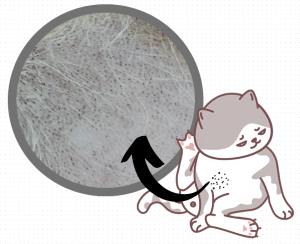
Black Dots on Your Cat’s Skin: Folliculitis, or ‘Black Chin’ and ‘Stud Tail’
Black dots on a cat's skin are usually the early sign of folliculitis, like blackheads, driven by excess sebum, blocked follicles, and bacterial infection. On the chin it is called black chin, and on the tail stud tail or oily tail, both managed with gentle localized cleaning and diet adjustments.

Shock in Dogs and Cats
Shock is acute circulatory failure that leaves vital organs starved of oxygen. It can follow severe disease, trauma, or poisoning, and shows as pale gums, weakness, cold extremities, and collapse. Treating the underlying cause is the foundation of recovery.

Snake Bite Envenomation in Dogs and Cats
Snake envenomation occurs when a venomous snake bites a dog or cat, injecting toxin that can paralyze muscles, damage the heart, and stop breathing. Cobra-class bites can cause rapid heart failure and death. Immediate first aid and antivenom are vital.

Bee and Wasp Stings in Dogs and Cats
Bee and wasp stings inject venom that causes local swelling, pain, and bruising. Severe reactions can bring collapse, breathing failure, and even death. Removing the stinger and veterinary care for whole-body signs are key.

Wounds and Trauma in Dogs and Cats
Trauma from abrasions, punctures, bites, and other injuries damages skin and deeper tissues. Untreated wounds can become infected and harm underlying structures. Prompt cleaning, bleeding control, and veterinary care prevent complications.