Search Results
6122 results for “FIC”
Can a cat’s bloody urine heal on its own?
Bloody urine in cats generally won't resolve on its own. Causes range from poisoning, trauma, urinary tract infection, and bladder stones to reproductive tumors, leukemia, and candidiasis (and in females, vaginitis or pyometra). Apart from mild trauma, most cases are unlikely to self-heal, so have a vet identify the cause and treat it before it worsens.
Is the Chinese pond turtle a deep-water or shallow-water turtle?
The Chinese pond turtle is a shallow-water turtle, also called the longevity turtle and symbolic of good fortune and a long life. Keep it in shallow, clean water with rocks to climb on and bask, and feed it mainly meaty foods - dried fish, fish, shrimp - or simply turtle pellets; it's omnivorous but leans carnivorous.

How Long Can a Dog Survive Heartworm
How long a heartworm-infected dog lives depends on infection site and severity, the dog's age and health, and how effective treatment is. Mild cases often recover with medication, while moderate to severe ones may need risky surgery. With proper treatment a dog can live for years; without it, death may come in weeks to months. Seek a vet promptly for diagnosis and care.

Is an Occasional Dog Cough a Sign of Heartworm
An occasional cough is not automatically heartworm. Coughing has many causes: respiratory infection, parasites, heart disease, allergies, or excitement, and temporary irritation from smoke, dust, or pollen that eases once the trigger is gone. Heartworm does commonly cause coughing, but also brings labored breathing, weight loss, and odd heartbeat. If those appear with the cough, see a vet promptly for diagnosis and care.

How to Help Your Overweight Hamster Lose Weight
Hamster obesity raises the risk of heart disease, diabetes, arthritis, and fatty liver, cuts mobility, shortens life, and can cause breeding trouble and anxiety. To slim one down, cut portions of fatty foods, add a wheel and climbing toys plus out-of-cage time, limit sugary treats, weigh regularly, and avoid overstimulation that triggers overeating. Severe cases need a vet's tailored plan. Patience is essential; weight loss takes time.
Will a cat’s bleeding nail from clipping heal on its own?
A cat's nail may stop bleeding on its own if its clotting is normal, but if you cut the quick the bleed is larger and you should help - press with a cotton swab dipped in antiseptic for about ten minutes. After clipping the cat may scratch and reopen the wound, so if bleeding is heavy, have a vet bandage it (or do it at home if you know how).
Why does a patch of my cat’s skin have no fur and show raw pink skin?
Patchy fur loss that exposes raw skin in cats usually means one of several things: the cat pulling out its own fur from itch or anxiety (watch for incontinence or mood changes), ringworm (hair loss with scaling, needing vet screening), or damaged hair follicles from trauma or a recent injection. Each needs a different approach, so a vet check is the safe call.
How long does it take before you can tell a dog is pregnant?
A pregnant dog usually shows clear signs around day 45 - the abdomen enlarges, the breasts swell and may leak milk, and you'll notice increased appetite, weight gain, and more frequent urination. Litters of only one or two puppies may show little belly growth. During pregnancy, boost protein and calcium to prevent post-whelping calcium deficiency.
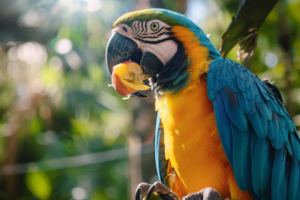
Why Is Your Parrot Refusing to Eat
A parrot that stops eating may be reacting to a new environment, disliking bland or single-note food, feeling stressed or anxious, or being ill. Most adjust to a new home within two to three days; illness brings lethargy, ruffled feathers, vomiting, or long appetite loss and needs a vet. Offer balanced species-specific feed with fruit, vegetables, and grains, give social interaction, and keep the cage clean, warm, and sunny.

What to Do When Your Rabbit Is a Picky Eater
A picky rabbit may refuse food because of taste preference, a recent environment change, or dental trouble. Offer variety, fresh food, and a gradual switch to new items, and avoid overfeeding treats. Check teeth and mouth regularly, keep the diet balanced, and give enough space and exercise. Persistent pickiness with other symptoms warrants a veterinary check, since poor intake risks nutrient deficiency and weak growth.