Search Results
6122 results for “FIC”

What Daily Supplies Does Your Cat Need?
Beyond bowls, fountain, litter box, and bed, a few supplies make care easier. For claws: a cat-specific nail clipper (elliptical claws split under human clippers; a safety-guard or LED model helps avoid the quick) and a scratching post. For coat: a deshedding comb and a pin brush for massage. For baths: a bathing bag if needed, cat shampoo (not human—cat shampoo is cheap and has anti-parasite formulas), and a pet drying box to avoid loud dryers. Add a pet toothbrush or finger brush, ear cleaner, and paw-foam for routine care.
How to Pet Your Cat So It Loves You
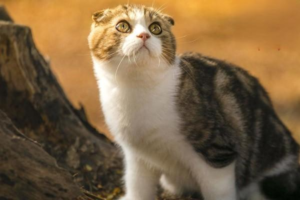
No area is off-limits once a cat is well socialized from kittenhood—daily full-body handling builds trust and a love of touch. For an unsocialized cat, go slowly and read willingness: offer a downward palm at the forehead; if it nudges in, begin. Start at the head and neck (small circles, ear rubs), move to cheeks/chin, along the spine (the base-of-tail spot is a favorite), then armpits, paws, belly, and even testes in intact males. Use a gentle 'breeze' touch like a spa, not a firm knead; stop if it objects. A cat-specific scent oil can deepen relaxation.

Internal Parasites in Turtles: Tapeworms and Roundworms
Tapeworms and roundworms are two of the most common internal parasites in turtles, and telling them apart matters because the treatment differs. Tapeworms steal nutrients in the gut and shed visible segments in the stool; roundworms come in many forms and can block the intestine when severe. Both are diagnosed through fecal exams and treated with specific dewormers plus gut support. This guide outlines the symptoms of each and the practical medication and aftercare steps to clear them.

How to Prevent Parasite Disease in Turtles
Turtles can develop parasite disease, and the risk rises in the hot summer months, so prevention belongs in every keeper's routine. Common parasites—tapeworms, coccidia, roundworms, and others—live in the gut, lungs, liver, and more, stealing nutrients and weakening the turtle until it wastes away. Good hygiene, quarantining new arrivals, and prompt deworming are the core defenses. This guide explains the parasites, their symptoms, and the practical prevention and medication steps that keep your turtle healthy.
Internal Parasites in Turtles: Flukes and Protozoa
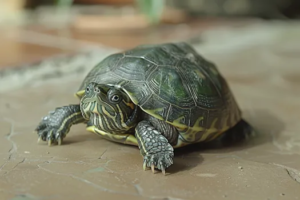
Flukes and protozoa are among the more common internal parasites in pet turtles, and knowing their signs helps you act before they drain your turtle's health. Flukes lodge in the liver, pancreas, and gut, causing appetite loss and bloody stool, while protozoa such as amoebas inflame the intestine and often trigger bacterial enteritis at the same time. Both are diagnosed through fecal checks and treated with specific dewormers plus gut support. This guide lays out the symptoms and the matching treatment for each parasite.

The Secret in Your Dog’s Whiskers
We feel the world with our hands; dogs feel it through smell. But like us, they use more than one sense—and another is their whiskers. The thick hairs on a dog's muzzle, chin, and cheeks are vital: set deeper in the skin, they help the dog read the environment. Like human fingers, whiskers are highly sensitive; their follicles are packed with nerves and blood vessels, giving touch feedback straight to the brain faster than other routes. Studies show half the sensory region of a dog's brain connects directly to its whiskers. Whiskers also sense tiny air currents and vibrations—key to a dog's night vision. Some breeds use them like cats to judge if they fit through tight spaces, and in fights both dogs reflexively flick whiskers forward to threaten. Cutting whiskers does not impair spatial balance (despite the myth), but it does hurt—the follicles are full of nerves—so never cut them for looks.

Why Do Dogs Love to Pee on Car Tires?
Many dog behaviors look strange to us, but behind them lies a consistent 'dog logic.' Adult male dogs lift a leg to urinate, and a car tire seems to magically draw them in to 'mark' it. Urine marks territory and tells other dogs 'I was here'—in short, dog urine is not just a territory tag but an ID card. A male dog urinates on vertical objects 97.6% of its life (fire hydrants, poles, tires) because that is where the 'ID' is best smelled by others, and scent lasts longer on vertical surfaces. Tires are ideal: they carry rich smells—animal feces, food scraps, trash. Once one dog marks a tire, others follow. To redirect this, reward the dog for sniffing without urinating, give it an alternative spot, and keep its attention on you near cars, using a 'leave it' cue with praise and treats until it learns.

How to Give Your Cat a Pill
Whether for deworming or illness, you'll likely need to medicate your cat, and the first time is the hardest—practice makes it easy. Three methods: by hand (best for tablets or capsules, using the cat's natural 1–2 second mouth-open window), with a pill device (safer for beginners, handles solids and liquids), and mixed into food (not recommended, since it can change efficacy and the cat may refuse). If you truly can't manage it, let the vet do it to avoid delaying treatment.

Why Do Dogs Hate Delivery Couriers?
Many dog owners know the scene: whenever a delivery or takeout courier knocks, the family dog turns aggressive and may even attack the innocent visitor. Why does a knock at the door trigger such a loud, fierce reaction? The answer lies in a dog's territorial instinct. Before domestication, dogs strictly defended their territory, warning intruders by barking, then growling, then attacking. Early humans valued dogs precisely as living alarms. Today that instinct remains: when the courier knocks, the dog defends; when the courier leaves, the dog thinks it won. Next time the courier returns, the dog believes its earlier warning was too weak and escalates from bark to growl—and a perceived challenge can turn into a bite. To change this, reward calm behavior at the door with treats, teaching the dog that staying quiet near strangers earns a reward.

Grooming and Coat Care for Your Cat
Shedding is normal—fur renews daily and surges with the seasons (long coat out, short coat in for summer; kept for winter). But shedding also rises from artificial temperature swings, poor diet (low protein/vitamins), skin damage (parasites, bad shampoo), hormonal imbalance after spay/stress, or old age. Improve coat quality with a clean, suitable environment, sunlight in short doses, and enough protein plus meat toppers. Groom by brushing out loose fur, massaging the skin, and a warm damp-towel wipe once a week to cut random shedding.