Search Results
6122 results for “FIC”

Can You Deworm a Pregnant Cat?
External (topical) deworming is generally safe during cat pregnancy, but internal deworming needs caution—avoid it in early pregnancy and, if truly needed later, use a vet-recommended pregnancy-safe product. Keeping the home clean with a cat-safe disinfectant lowers parasite risk in the first place.

How to Disinfect Your Home After a Dog Has Parvovirus
After a dog is diagnosed with parvovirus, thorough home disinfection is essential to protect other pets. Use UV light, high-temperature washing, alcohol or potassium permanganate wipes, vet-approved disinfectants, and daily ventilation, repeating for at least six months.

Why Is My Cat’s Eyebrow Hair Thinning or Bald?
A cat's bald eyebrows are often normal—scent glands and age naturally thin the brow fur—but they can also signal parasites, allergies, fungal skin disease, or poor nutrition. Treat the underlying cause (deworm, vet exam), and prevent it with a balanced diet, routine deworming, and a clean, not over-washed, environment.

Should You Microchip Your Pet?
Microchipping your pet is low-cost and safe, greatly improving the odds of a reunion if it is lost and storing medical details for vets. Weigh the benefits against minor privacy and practical concerns before deciding.

Benefits of Lecithin for Dogs
Lecithin gives dogs a shinier coat, stronger skin, help with weight control, and steadier mood—but only in the right amount and a dog-specific formula. Too much risks obesity and fat-metabolism problems, so follow dosage; cooked egg yolk and salmon are easy food sources.
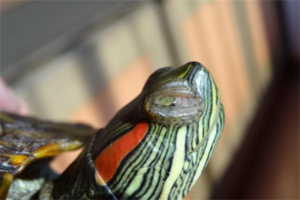
What Are the Symptoms of Turtle White-Eye Disease?
Turtle white-eye disease is a bacterial infection: early signs are a red, whitening nictitating membrane with discharge, worsening to swollen, stuck-shut eyelids and a cloudy cornea, often with lost appetite. Treat with gentle cleaning plus antibiotic eye drops and ointment (and oral antibiotics for severe cases), warm the habitat, and keep water clean to prevent it.

How to Handle Bleeding Gums in Cats
Bleeding gums in cats are usually caused by tartar, periodontal disease, loose teeth, poor nutrition, or injury. Check the mouth, use pet-safe oral sprays, brush regularly with cat toothpaste, and see a vet if inflammation or heavy tartar is present.
Hair Loss and Excessive Urination? Symptoms of Hormonal Imbalance in Cats
Feline hormonal (endocrine) imbalance is not one disease but a sign of disorders such as hyperthyroidism, diabetes, Cushing's syndrome, or hypothyroidism. Hyperthyroidism brings ravenous appetite with weight loss, thirst, and overactivity; diabetes causes the 'three polys plus weight loss' and weak hind legs; hypothyroidism shows as lethargy, weight gain, and a dry, thinning coat. See a vet for blood and urine tests if you notice these signs.
Human Foods That Are Absolutely Toxic to Cats
Never feed cats chocolate, onions/garlic, grapes/raisins, or anything with caffeine, xylitol, or alcohol — all can be fatal even in small amounts. Most adult cats are also lactose-intolerant, so skip milk and dairy, and avoid high-salt, high-sugar, and high-fat table scraps that strain the kidneys, pancreas, and metabolism. Always check whether a food is cat-safe before sharing.
Is Too Much Fat in Your Cat’s Diet Slowly Harming It? Health Risks to Watch
Excess dietary fat overloads a cat's pancreas and can trigger pancreatitis, while chronic overfeeding drives obesity and its downstream risks: diabetes, joint and heart strain, and lower-urinary disease. Sudden anorexia can also push fat to the liver and cause fatty liver disease, and too much fat makes the skin oily, leading to stud tail, black chin, and seborrheic dermatitis. Aim for quality and moderation, not zero fat.