Search Results
6129 results for “FIC”

What Are the Diagnostic Methods for Kennel Cough?
Kennel cough can stem from many causes, each needing a different treatment, so accurate diagnosis matters. Confirming it usually involves a physical exam, X-rays, pathology, bronchoscopy, and blood work, after which a vet sets a treatment plan. Drugs for kennel cough include anti-inflammatory, antiviral, and cough-suppressant medications, and with timely care most dogs recover fully.

What Causes Arthritis in Dogs?
Arthritis in dogs is driven by genetics, obesity, improper exercise, and aging. Breeds prone to joint dysplasia—such as Saint Bernard, German Shepherd, and Pomeranian—are at higher risk, while excess weight and hard exercise wear down cartilage, and older dogs lose bone density. Prevention centers on weight control, joint-friendly low-impact exercise, warmth, paw traction, and regular checkups.

Can Dogs Get Stressed in a New Environment?
A dog's trouble adjusting to a new home is really stress from an unfamiliar environment, driven more by mood and mental state than by physical change. Strange smells, lost security, and altered social contact can trigger anxiety, fear, and digestive upset. Giving the dog time, a safe familiar-smelling space, a steady routine, and gentle gradual socialization helps it settle in.

What Are the Signs of a Spoiled Cat?
A spoiled cat often shows clinginess, finicky eating, aggression, and constant demands for attention—behaviors rooted in over-indulgence rather than affection. Left unchecked, long-term pickiness harms nutrition and immunity, while possessiveness can turn into aggression toward people or other pets. Restoring balance means respecting the cat's independent nature, setting clear rules, and providing a stable, enrichment-rich environment.

Why Does My Dog Eat Everything?
Dogs that eat anything may simply be naturally food-driven, but constant scavenging or swallowing non-food objects points to a problem such as pica or internal parasites. Addressing it requires regular exercise, a consistent feeding routine, refusal training, and scheduled deworming. A balanced diet that supplies essential micronutrients also helps prevent nutrient-deficiency pica.

What to Do If Your Rabbit Has Fleas
If your rabbit has fleas, isolate it first and disinfect its environment to kill fleas there. Then treat the rabbit with a cat-safe topical flea product (few rabbit-specific ones exist), watching the dose to avoid poisoning, and use an Elizabethan collar. Keep the habitat clean and check the coat regularly to prevent reinfestation.

Causes and Treatment of Pleural Effusion in Cats
Pleural effusion in cats is abnormal fluid in the chest, caused by heart disease, tumors, trauma, organ failure, or infection. Signs include lethargy, cough, open-mouth breathing, and difficulty breathing. Treatment targets the underlying cause — heart medicine, antibiotics, or tumor therapy.
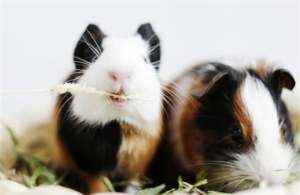
How Big Do Guinea Pigs Get?
Adult guinea pigs are 25–38 cm long and weigh 500–1000 g, males slightly larger. Size is shaped by environment, diet, and genetics. With good care, lifespan averages 4–8 years and can exceed 10.

What Is a Dog Urinary Tract Infection?
Dog urinary tract infections are usually caused by bacteria, urine retention, or low immunity, with signs like difficult, frequent, or urgent urination, sometimes blood or incontinence. Diagnosis is by urinalysis; treatment is antibiotics plus plenty of water. Keep the genital area clean and avoid prolonged holding of urine.
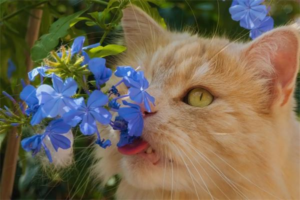
Why Are Cats Prone to Gastritis?
Gastritis in cats can be triggered by spoiled or hard-to-digest food, overeating, drug errors, bacterial infection, foreign bodies, or stress. Feed high-quality, balanced food in sensible amounts and keep the environment and bowls clean to prevent it.