Search Results
6129 results for “FIC”
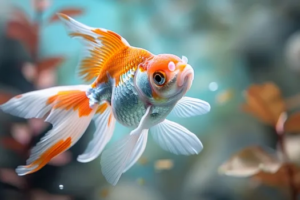
Tips for Keeping Goldfish in a Community Tank
Goldfish are peaceful but clumsy and poor competitors for food, so they do best with small, gentle tank mates such as angelfish, blood parrots, tetra, guppy, and platy — all small tropical fish with modest needs. During mixed keeping, manage water quality, stocking density, temperature, and oxygen so every fish thrives.
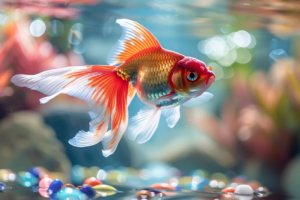
How to Treat Popeye in Blood Parrot Fish?
Popeye (exophthalmia) in blood parrot fish is most often caused by poor water quality and infrequent water changes, though injury or malnutrition can also contribute. Treat by isolating the fish, raising the temperature to 28–30°C, adding aquarium salt, doing daily partial water changes of about a quarter, and applying erythromycin eye ointment — with penicillin, chlortetracycline, or a dilute potassium permanganate rinse for severe cases.

Why Do Cats Get Tear Stains?
Tear stains in cats come from short nasal passages (flat-faced breeds), dietary imbalance caused by oily or salty food, or eye infections. Wipe the eyes daily with a warm cloth, and for stubborn stains use a starch-and-boric-acid paste carefully kept out of the eye.

Why Is My Cat’s Fur Turning Yellow?
Yellow cat fur usually points to parasites, improper bathing, poor nutrition, or tear stains. Treat parasites, switch to a cat-specific shampoo used at the right frequency, improve the diet, and keep the coat groomed to restore healthy, glossy fur.
Can a Cat with Only One Testicle Reproduce?
A cat that shows only one testicle has cryptorchidism — a congenital defect in which one or both testicles fail to descend into the scrotum. Such cats face a much higher risk of testicular tumors and should be neutered early. A unilateral cryptorchid can still breed but shouldn't, while a bilateral one is infertile.
Is Too Much Catnip Harmful to Cats, and Can They Get Addicted?
Catnip contains nepetalactone, which triggers a brief, harmless euphoria via the vomeronasal organ—but it is not addictive. Overuse can dull the effect, irritate the respiratory tract, and upset kittens' stomachs, so limit sessions to about once a week and wait until a cat is at least 6 months old.
Slight Fever, Bloodwork Shows Inflammation, X-ray Normal, Lethargic—What Should I Do Next?
Poor spirits combined with internal inflammation cannot pinpoint a single cause, since most diseases can lead to inflammation in dogs. Inflammation in dogs may present with several symptoms: decreased or lost appetite and low energy; vomiting and diarrhea; respiratory infections such as coughing, sneezing, and runny nose; and yellow or bloody urine with increased or decreased volume.

Keeping Sea Turtles: Essential Care Requirements
Sea turtles need brackish water at the right salinity, warm temperatures of 25–28°C, a varied diet of seafood and greens, and a spacious tank with a basking area. Avoid hibernation by keeping water warm, feed every 2–3 days, and balance their diet to keep them healthy.

How to Bathe a Chinchilla? What If It Won’t Bathe Itself?
Chinchillas stay clean with a dust bath rather than water. Use chinchilla-specific volcanic-ash sand 2–3 times a week, give each pet its own bath container, and if a chinchilla won't bathe, guide it by sprinkling sand on its coat or letting it learn from a cage mate.

Why Does a Kitten Have So Much Eye Discharge?
Excessive eye discharge in kittens usually points to a dusty environment, a diet that is too salty or low in water, a bacterial or viral infection, dacryocystitis, or feline herpesvirus (cat flu). Clear, watery discharge from irritation can simply be wiped away, but yellow-green, sticky, or painful eyes need a vet's diagnosis and targeted treatment. If discharge comes with lethargy or loss of appetite, see a veterinarian promptly to avoid complications.