Search Results
6133 results for “FIC”

Why Do Arowana Get White Spot Disease?
Arowana white spot disease (Ich) usually appears during seasonal changes when temperature fluctuates. The parasite—an Ich ciliate—thrives in low temperatures and dies in heat, so keeping the water temperature stable (26–33°C) is the key to prevention. Treatment is primarily raising the temperature by 2–3°C with aquarium salt and partial water changes.

How to Supplement Calcium for Parrots
Parrots need steady calcium for healthy bones and development. Provide it through mineral grit, calcium-rich powders mixed into seed diets or cuttlebone, and dedicated calcium-phosphate supplements, plus sensible sunlight to aid absorption.

Common Parrot Eye Diseases and Their Treatments
Parrots commonly develop keratitis, conjunctivitis, and cataracts, usually from cage scratches, injury, infection, or nutrition gaps. Most are manageable with prompt cleaning, antibiotic drops, or surgery for cataracts, but prevention through a clean environment is best.

Treatment Plan for Turtle Enteritis
Turtle enteritis comes in chronic and acute forms; chronic cases are mild and easier to manage, while acute enteritis can kill turtles en masse within a short time and is highly contagious through the air. Management means isolating and disinfecting sick turtles, and treating with gentamicin/chloramphenicol injections or oral oxytetracycline/berberine, with prevention favored over cure.
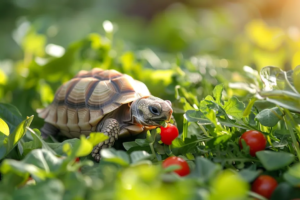
Feeding Precautions to Prevent Enteritis in Turtles
Turtle enteritis has primary causes (poor husbandry) and secondary causes (parasites, liver disease, systemic infection); the primary causes are the easiest to control. The key feeding measures are: avoid hard-to-digest or spoiled food, stop feeding in low or sharply fluctuating temperatures, wait before feeding a newly arrived turtle, and pause feeding during illness—plus feed on a fixed schedule and in measured amounts.

Why Doesn’t My Cat Like Being Kissed?
Most cats seek closeness with their owners yet resist being kissed, and that refusal is not a sign they dislike or distrust you. Cats simply lack the human custom of kissing—to them a face looming close can feel threatening—so the reaction is normal and varies by individual temperament. Let your cat adjust to affection gradually and never force kisses.

How Long Can a Parrot Survive Crop Stasis, and How Is It Treated?
Crop stasis (also called crop impaction) in parrots is often caused by a blockage below the crop or by slow digestion, and if left untreated a parrot—especially a chick—usually survives no more than about three days. Prompt care includes withholding food and water, giving probiotics, and, for severe cases, clearing the crop with a syringe and tube or seeking veterinary treatment.

What Should I Do If My Cat Eats Rat Poison?
After eating rat poison, a cat may develop a fever, lethargy, loss of appetite, and vomiting, or show internal and external bleeding such as nosebleeds, bloody vomit, bloody stool, or black tarry feces. Because the toxin can severely damage the liver and other organs, seek veterinary care immediately—if none is nearby, induce vomiting at home with hydrogen peroxide, then follow up with IV fluids and bloodwork.

Can a Puppy With a Runny Nose Get Vaccinated?
Dogs showing any sign of illness—such as a runny nose, sneezing, vomiting, or diarrhea—should not be vaccinated, because live-attenuated vaccines can worsen an existing condition. Puppies need to be at least 45 days old for their first shot and about 3 months old for the rabies vaccine, with deworming spaced roughly a week apart. After vaccination, observe the dog for 30 minutes, avoid baths for 7 days, and confirm immunity with an antibody test around 15 days later.

What Are the Differences Between Aquatic, Semi-Aquatic, and Terrestrial Turtles?
Aquatic and terrestrial turtles are similar in temperament and basic care, but they differ greatly in the temperature and humidity their habitat requires. This guide breaks down the key distinctions between aquatic, semi-aquatic, and terrestrial turtles to help you choose the right pet turtle.