Search Results
6163 results for “FIC”

Bladder and Urethral Stones in Dogs: Symptoms and Treatment
Urinary stones form when minerals crystallize in the bladder or urethra, causing straining, frequent tiny urinations, and blood in the urine. Bladder stones usually need surgical removal; urethral stones are flushed back or taken out surgically. Prevention centers on plenty of water, adequate vitamin A, and a balanced diet rather than an all-meat one.

Cat Cold: Symptoms and Home Care
A sneezing or eye-discharging cat may have a mild viral cold or the start of a worse respiratory infection. Nearly all cat colds trace to calicivirus or herpesvirus, with signs appearing days to two weeks after exposure. Watch for mouth breathing, fever, or loss of appetite, and treat any cough, labored breathing, or darkening mucus as a red flag for pneumonia or secondary bacterial infection — and never give human or dog medication.

How to Prevent Dog Bad Breath
Bad breath usually means plaque and tartar building up, which can inflame the gums and even damage the bone. Brush with dog-specific toothpaste using a gentle 45° circular motion (a little bleeding is normal), and use dental chews as a daily aid — pick ones with some give, the right size for your dog, and a shape that fits between the teeth.
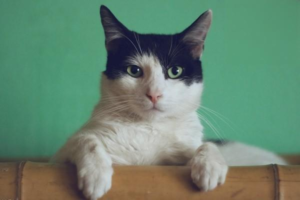
What to Do When a Cat’s Cold Leads to a Respiratory Infection
A winter cold can escalate into a serious upper respiratory infection, especially in kittens — one case took a month to recover and needed force-feeding because a blocked nose killed the appetite. Keep the cat warm but ventilated, boost immunity with nutritional paste and probiotics, skip baths, and complete the three-shot vaccine course starting at two months.

Can a Cat Have a C-Section?
A cesarean (hysterotomy) is an emergency surgery to deliver kittens when labor stalls — call the vet if strong straining lasts 20 minutes with no kitten, pregnancy passes 65 days, there is persistent red discharge, or fever. After surgery, give all meds, keep the mother quiet, protect the incision with an e-collar, and watch both mother and kittens closely.

What to Do When Your Cat Is Not Affectionate
A cat's aloofness is shaped far more by its socialization period than by genes. Kittens that miss gentle, trusting contact with people between roughly 2 and 12 weeks — or that had a bad experience then — grow up wary. There is no quick fix; rebuilding trust is slow, especially over a difficult kittenhood, so focus on steady care, routine, and calming aids like music or pheromones.

Why Cats Feel Fear and Anxiety
A cat's fear and anxiety are learned, not innate, and come from strangers, new pets, sudden movements, loud noises, leaving home, and especially punishment. Socialize kittens before 11–12 weeks, introduce new animals slowly through scent, avoid startling play, cushion noise, and replace scolding with trust-building to keep a cat confident.

Why You Should Leash Your Dog Outdoors
Keeping your dog leashed outdoors is responsibility to others and to your own pet. Off-leash dogs can bite children or the elderly — spreading rabies or tetanus and creating legal liability — get hit by cars, flee in fright, chase other dogs, eat spoiled or poisoned trash, catch parvovirus or distemper from sniffing urine, or be stolen. A leash keeps the dog in sight and out of trouble.

Are Odd-Eyed Cats Always Deaf?
Odd-eyed (heterochromic) cats usually have a genetic pigment defect and are often white with one blue eye; their vision is normal but they are light-sensitive, so avoid direct strong light. Most have some hearing loss — typically the ear on the blue-eye side — but they are not always fully deaf, so give them attentive, gentle care.

Why Does a Cat Shake Its Head Repeatedly?
An occasional head shake is normal, but frequent shaking usually means a pathological itch — most often a foreign object, ear mites, or otitis in the canal. The clues differ: ear mites leave dry, coffee-ground, foul-smelling black-brown debris, while inner-ear infection leaves wet, oily discharge; both need a vet's confirmation, then cleaners plus mite medication or antibiotics.