Search Results
6152 results for “FIC”

Signs of Toxoplasmosis in Cats
Toxoplasmosis can infect almost all warm-blooded animals, and cats are the only host that spreads it through feces. Learn the acute and chronic signs and how to prevent infection.

Why Does Your Dog Fart So Much
A farting dog repels even the owner—the smell is unbearable. But owners do not know why. Here are the reasons dogs fart.
How to Break a Dog’s Poop-Eating Habit
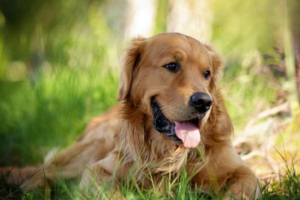
Dogs eat poop for many reasons — missing digestive enzymes, hiding evidence, hunger, or nutrient imbalance. Find the cause, then fix diet, train, feed on schedule, and balance nutrition.
Why Do Dogs Eat Their Own Poop?
Dogs eat their own stool for several reasons — missing trace elements, bad habits, or poor digestion. Fix it by adding vitamins and trace elements, cleaning up promptly, and improving gut health with probiotics.

Is It Normal for a Puppy to Eat Poop?
Puppy poop-eating is harmless but unhelpful. It can be a habit, a nutrient gap, or hunger. Find the cause and address it — correct the habit, treat gut issues, feed on schedule, and balance nutrition.

What to Do When a Parrot Has a Cold, and Which Medicine to Use
Parrots catch colds from temperature change or bacterial and viral infection. Use bird-specific medicine such as gentamicin or oxytetracycline, keep the bird warm, and prevent recurrence with good hygiene and a stable temperature.
Is a Non-Black Dog Nose Normal
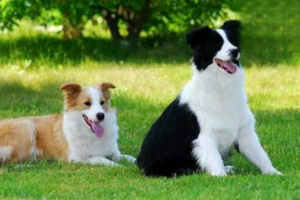
Most dogs have black noses, but some are other colors. Is that normal? Here are the reasons a dog's nose is not black.

Why a Mother Cat Shows Blood but Doesn’t Deliver
If a mother cat shows bloody discharge but hasn't delivered after more than 3 hours, she may be in difficult labor and needs a vet at once. Usually she delivers 3–8 hours after bleeding, finishing within 24 hours. Learn the birthing process.

Rabbit Bloat: Symptoms and Treatment
Rabbit bloat is usually caused by overeating, spoiled feed, or sudden diet changes, and severe cases can be fatal. This guide covers the causes, warning signs, and the prevention and treatment steps every rabbit owner should know.

Causes and Prevention of Urinary Stones in Rabbits
The leading cause of urinary stones in rabbits is insufficient water intake, with excess calcium and individual predisposition also playing a role. This guide covers the symptoms, underlying causes, and how to manage and prevent the condition.