Search Results
5 results for “Escherichia coli”
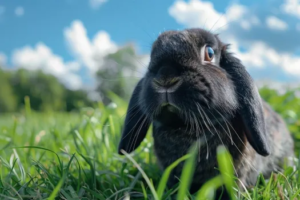
Preventing and Controlling Rabbit Colibacillosis
Rabbit colibacillosis (mucoid enteritis), caused by Escherichia coli, strikes weanling rabbits hardest with high death rates from watery, jelly-like diarrhea and dehydration. Prevention hinges on steady high-fiber feeding, clean dry housing, insect and rodent control, and feed-additive or vaccine prophylaxis.

Colibacillosis (E. coli Infection) in Dogs, Cats, and Small Animals: Symptoms, Treatment, and Prevention
Colibacillosis is an intestinal infectious disease caused by certain pathogenic serotypes of Escherichia coli and their toxins. It occurs year-round and can affect animals of any age, posing the greatest threat to weaned youngsters.
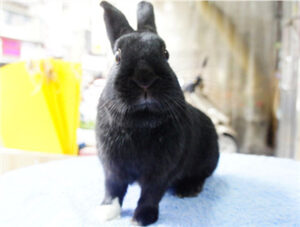
Havana Rabbit
The Havana Rabbit is a popular fur rabbit whose beautiful chocolate- or blue-colored coat makes it prized for pelts and increasingly kept as a pet. Originating in the Netherlands, it is lively and needs careful early-life care and coccidiosis prevention.

Fujian Yellow Rabbit
The Fujian Yellow Rabbit is an excellent Chinese meat rabbit breed with a short production cycle and high meat yield. Small but fast-growing and well adapted to local conditions, its tender, nutritious meat is praised as 'brain-boosting' and 'beauty' meat.

Pyothorax (Empyema) in Dogs and Cats: Symptoms, Treatment, and Prevention
Pyothorax is pus accumulating in the chest cavity from a bacterial infection of the pleura, causing fever, labored breathing, and a fluid-splash sound. It is treated by draining and flushing the chest and with prolonged antibiotics.