Search Results
12 results for “Epiphora”

About Feline Epiphora (Excessive Tearing)
Epiphora is abnormal tear overflow, caused either by blocked drainage through the nasolacrimal system or by excessive tear production beyond what drainage can handle.

Canine and Feline Nasolacrimal Duct Obstruction (Epiphora)
Nasolacrimal duct obstruction blocks normal tear drainage in dogs and cats, causing chronic epiphora (tear overflow) and facial staining. Congenital duct atresia usually needs surgical correction, while acquired obstruction from conjunctivitis or injury is managed by treating the underlying cause.

Symptoms of a Blocked Tear Duct in Dogs
A blocked nasolacrimal (tear) duct shows as constant tearing and a sticky, pus-like discharge at the inner corner of the eye, with the fur below stained red-brown and a little hair loss — but no pain, no vision loss, and no light sensitivity. Many eye problems can cause it (conjunctivitis, keratitis, trauma), and flushing the duct under anesthesia after clearing the infection shortens recovery.

Why Do Dogs Tear Up So Much?
Frequent tearing and stains in dogs come from many causes, hereditary overproduction, entropion, diet, inflamed tear glands, ear infections, or short-nosed breeds. Most are manageable once the underlying cause is found, so watch your dog closely and see a vet when home care is not enough.

Causes and Treatment of Tear Stains in Cats and Dogs
Some owners excitedly raise a 'Snow White' or 'Prince Charming', only to see it ruined by two lines of tear stains! Where is the viral pet we were promised?

Why Does My Cat Have Tear Stains?
In earlier years, tearful cats were rare. Most families, limited by finances, rarely bought purebred cats and instead kept native Chinese domestic cats; the few that did tear were mostly cases of blepharitis or feline rhinotracheitis carriers. Blepharitis was easily handled with a few-yuan tube of erythromycin eye ointment, while rhinotracheitis carriers often recovered on their own as immunity improved.
Why is the fur between my dog’s eyes and nose wet and losing hair?
Wet, thinning fur around a dog's eyes and nose usually means overactive tear glands or blocked ducts. Switch to a bland diet and avoid table scraps; see a vet for duct flushing if it persists.
Dealing with Cat Tear Stains
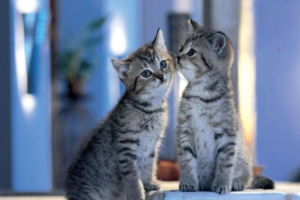
Tear overflow (epiphora) happens when tears overproduce or the nasolacrimal duct blocks, spilling onto the fur. The reddish-brown stain comes from porphyrin—an iron waste in tears that oxidizes in air and sunlight. Common causes: too much salt (human food, salty kibble), 'heat', ear infections that stimulate tearing, duct blockage, entropion (inward lashes), dacryoadenitis, and feline herpes (tears plus nasal discharge—watch unvaccinated cats). Genetics play a role too. Cut salty food and see a vet to find the true cause.
How do I treat a puppy with tearing eyes?
A puppy's tearing eyes can come from infection, a foreign object, a blocked tear duct, a breed trait, or ingrown eyelashes. Flat-faced breeds like the Pekingese and Shih Tzu are prone to epiphora and tear stains — just wipe discharge often. Rinse with saline or a pet eye wash; if it persists, see a vet.
How should I treat a puppy’s watery, tearing eyes?
Tearing can come from infection, irritants, blocked ducts, breed anatomy, or ingrown lashes; flat-faced breeds like Pekingese and Shih Tzu are prone to unavoidable epiphora, so keep eyes wiped. For sudden onset, rinse with saline or pet eye wash, and see a vet if it persists.