Search Results
1285 results for “Enteritis”

Why Is Your Fish Refusing Food? Causes and Fixes
Fish refuse food for many reasons: poor water quality, overfeeding/indigestion, illness (ich, enteritis), natural fasting, food boredom, sudden environmental change, or loneliness after losing tankmates. Fixes range from water changes and fasting to treating disease and restoring the school.
My dog threw up a little food after dinner a week ago; I thought he had eaten too much and ignored it. Two hours later he suddenly vomited bright red, very watery blood. We rushed to the hospital for an X-ray, which ruled out a foreign object. CP L 223.75, amylase 471, lipase 71, creatinine 90.2, BUN 10.66, canine C-reactive protein 12.5. The vet said mild pancreatitis and gave an injection. On the third day an abdominal ultrasound showed an enlarged pancreas; CP L 88.48, amylase 456, lipase 62, creatinine 52.5, BUN 484, canine C-reactive protein 19.2. At first the dog had slight abdominal pain, the belly felt a bit hard but pressing caused no pain. No arched-back posture, appetite very good, stools normal, even a bit dry. No fever, very energetic. Now after stopping injections we feed small meals and a prescription diet, but every morning on an empty stomach he vomits thin brownish-yellow water, then is normal, with very good appetite and energy and normal stools. Do I need more tests?
Canine pancreatitis occurs when digestive enzymes secreted by the pancreas digest the pancreas itself and nearby organs due to inflammation, causing lesions. It has three types: acute, chronic, and relapsing. Its symptoms resemble acute gastroenteritis with vomiting, diarrhea, and abdominal pain. It is a complex, life-threatening disease; chronic pancreatitis is lifelong, so diet control and regular rechecks of pancreatitis markers are essential.
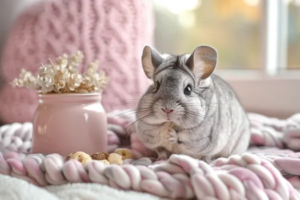
How Long Do Shih Tzu Bear Hamsters Live? How to Care for Them
The Shih Tzu bear hamster, bred from the golden (Syrian) hamster, lives about 3–4 years, with lifespan tied to care. It has long fur, a small body, black eyes, a broad face, a small appetite, and little waste, and is strongly solitary—house one per cage except when breeding. Feed a simple diet with cooled boiled water and avoid watery produce that upsets its weak gut; groom its long coat, keep the home dry to prevent skin disease, and block its clever escape routes.

What Can Turtles Eat?
Turtles are omnivores - feed turtle pellets, aquatic plants, small fish and shrimp, lean meats, and some vegetables/fruit. Alternate foods for balance, do not overfeed, stop food a month before hibernation, and sun them after meals.

Common Rabbit Diseases in Winter and How to Prevent Them
Cold, dry winters challenge small, fragile rabbits. To help your rabbit through the season safely, prepare ahead. Here are the diseases rabbits face in winter and how to prevent and treat them.
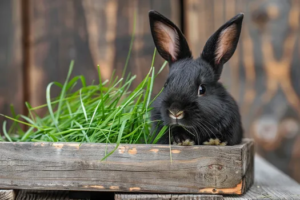
Will a Rabbit Die from Drinking Water? Can Rabbits Drink at All?
Rabbits have delicate guts, and many know that watery vegetables cause enteritis and death, blamed on the water in veggies. So should rabbits not drink? The answer may surprise you.
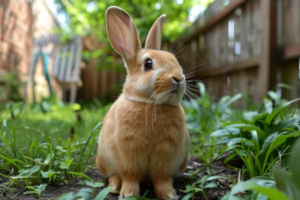
How to Feed a Panda Rabbit, and What to Watch For
The panda rabbit, also called the Dutch rabbit or Dodge rabbit, has white fur with built-in 'dark eye patches', earning the panda nickname and growing popular in China. But raising one is not as simple as it seems; diet needs special care. Here is how to feed a panda rabbit and what to note.

What Not to Do When Raising a Rabbit
Pet rabbits need care and skill; they are fragile with sensitive guts and specific temperature and humidity needs. Neglect leads to illness and death. Here are the don'ts of keeping a pet rabbit.

Why Is Your Budgerigar Lethargic and Sleeping All the Time?
A budgie that is low on energy and sleeps constantly may be reacting to the weather, or it may be lacking attention or falling ill. Watch its eating and overall condition closely; if you spot abnormal symptoms, treat promptly to keep the problem from worsening.
There is a layer of milky white sticky jelly-like substance on my dog’s stool
The white jelly coating is shed intestinal mucosa, usually from poor digestion and absorption such as gut flora imbalance, cold exposure, parasites, or overeating. If the dog is bright and stools are formed, improve the diet and add probiotics.