Search Results
1286 results for “Enteritis”
What happens if my dog eats too much cold watermelon?
Too much cold watermelon can chill a dog's stomach, causing diarrhea, vomiting, poor appetite, and abdominal pain, and in severe cases may trigger acute gastroenteritis or pancreatitis. Feed only in moderation and watch for symptoms.
My dog vomited its food, won’t sleep, trembles and twitches, ignores me, and whimpers—what is wrong?
Vomiting with abdominal twitching has many causes: painful or infectious disease (pancreatitis, gastroenteritis, parvo) where whimpering means pain—see a vet fast; or distemper with vomiting and twitches (neuro form shows lethargy and fever; respiratory form runny nose and cough; enteric form vomiting and diarrhea). All need a vet; home treatment fails and severe cases may be euthanized.
My dog is vomiting and had been binge eating suddenly before — what’s going on?
Eating randomly, binge eating, or irregular feeding can cause vomiting. Your dog's binge eating likely caused acute gastroenteritis — vomiting with mucus, lethargy, poor appetite, later diarrhea or straining. Vomiting may also signal parasites, pancreatitis, or parvovirus. Avoid binge feeding; fast and observe, then give probiotics and an antacid.
Why does my puppy have a bloated, noisy belly?
A bloated, gurgling puppy belly means increased bowel sounds. Causes include indigestion, gut flora imbalance, parasite infection, or gastroenteritis. If food was recently changed, suspect indigestion — give pet probiotics and reduce portions, then resume normal feeding once improved. If no improvement, see a vet.
What does normal stool of a young nursing kitten look like?
Newborn nursing kittens eat milk or formula, so their stool is unformed, liquid, yellow or yellow-brown. It firms with age. Normal stool has only a slight odor - a key way to tell if it is normal. Very smelly stool usually means indigestion or gastroenteritis.
My four-month-old kitten threw up yellow-green foamy fluid all day yesterday, has been lethargic and refusing food/water all day, with bad breath; before that it may have drunk spoiled milk (not sure) – is it just an upset stomach? I gave a little probiotics and omeprazole; should I go to the hospital?
Yellow-green foamy vomit may come from spoiled food, parasites, prolonged fasting, infectious disease, pancreatitis, hepatitis, or kidney damage. If vomiting is not frequent, withhold food and give glucose water and probiotics; spoiled milk may cause gastroenteritis, so pet anti-inflammatory helps, then feed soaked kibble in small amounts once it stops. If vomiting is frequent or with fever, arched back, pain, or lethargy, see a vet for the cause.
What causes a Teddy to vomit blood?
Many causes of blood in a Teddy's vomit relate to digestive disease, food allergy, poisoning, cardiovascular disease, or environmental irritation. Gastritis, ulcers, and enteritis can cause it; toxic food or medication may trigger it. Over-excitement or fright can also raise blood pressure or cause muscle spasm leading to vomiting blood.
Why won’t a snapping turtle eat its feed?
A snapping turtle refusing feed is usually due to food, environment, or illness. Unfamiliar surroundings cause temporary refusal that resolves with adjustment. Long-term single-food feeding causes pickiness, and illness such as gastroenteritis, cold, or pneumonia also suppresses appetite.
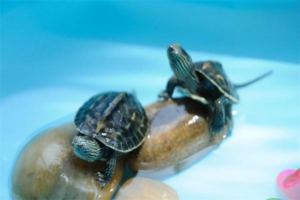
What Does Healthy Turtle Poop Look Like?
Healthy turtle droppings are firm, hot-dog-shaped logs in dark gray or black that hold together in water. Green, red, or black-green stool can signal diet issues, injury, or enteritis. This article explains what normal and abnormal turtle poop colors mean.

Can Antibiotics Cure Turtle Diarrhea?
Antibiotics can help some cases of turtle diarrhea, but diarrhea is a symptom, not a disease, so using them without finding the cause is risky. Causes range from parasites and gastroenteritis to diet changes and stress. This article explains when antibiotics help and when they do not.