Search Results
1286 results for “Enteritis”

Why Won’t My Blood Parrot Cichlid Eat?
A blood parrot cichlid may stop eating because it rejects a new food, is stressed by fright, has enteritis, or lives in dirty water. Rule out the simple causes first, then treat illness or improve water quality.

What to Do When a Pregnant Cat Vomits?
Vomiting during cat pregnancy can be normal morning sickness or a sign of indigestion or gastroenteritis. Because pregnant cats should not be given medication casually, the safest fixes are small frequent meals, a careful food transition, and probiotics.
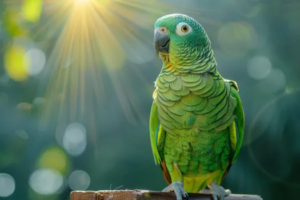
Why Does a Parrot Vomit Undigested Food?
A parrot vomiting undigested food is often normal — males regurgitate to court, feed the female, or feed chicks. It can also mean overeating, a grudge (spitting at you), or gastroenteritis (with green/blue-white fluid and lethargy). Give probiotics for overeating and see a vet for illness.
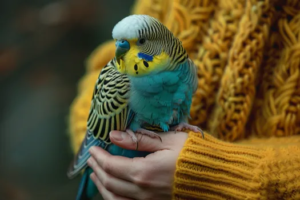
Why Does a Parrot Stretch Its Neck and Gape?
A parrot stretching its neck and gaping may be regurgitating during breeding season (normal), reacting to irritating food (gastroenteritis), or choking on a feather or seed. Give probiotics for gut upset, keep its diet to grains and millet, and see a vet if a throat object will not clear.

Common Guinea Pig Diseases
Vitamin C deficiency, fleas, ringworm, mites, and diarrhea are common. Here are their causes, symptoms, and control.

Common Arowana Keeping Mistakes
Many new owners make mistakes at first, which is understandable. But because arowana are delicate, to avoid big losses from wrong methods, here our experts share common arowana-keeping mistakes to help you avoid them.
After a Teddy puppy recovers from parvovirus, it still vomits a little. What does that mean?
Parvo badly damages the gut and needs time to heal; mild vomiting during recovery is normal if it lessens and the dog's spirit and appetite return. Feed easily digestible food in small meals; if vomiting persists, rule out other disease.
What happens if a Bulldog’s belly gets chilled?
A chilled belly may cause abnormal gut movement, diarrhea, and abdominal pain, even acute gastroenteritis. It may also cause a cold with sneezing, runny nose, cough, and poor appetite. Provide a warm bed and avoid cold tile floors in low temperatures.
My dog has vomiting, diarrhea, runny nose, lethargy, no eating/drinking, and bloody stool for two days
These symptoms strongly suggest an infectious disease such as distemper, coronavirus, or parvovirus, or possibly acute hemorrhagic gastroenteritis. Get a blood test and PCR to find the cause; infectious diseases are life-threatening, so treat promptly.
My dog retches and makes a gagging sound when it coughs
Retching can have many causes; observe first. Infrequent, short retching is often from indigestible food or a gut foreign object—withhold food and offer warm water. Frequent, prolonged retching may mean a digestive problem needing a vet.