Search Results
1285 results for “Enteritis”

What to Do When Cat Gastroenteritis Causes Vomiting
Gastroenteritis is common in cats, and vomiting is its hallmark sign. The key response is to withhold food and water until the vomiting stops, then reintroduce small amounts of water and easily digested food. See a vet promptly, keep the environment clean, and avoid temperature swings and irregular feeding.

Cat Gastroenteritis vs. Feline Panleukopenia (Cat Plague)
Cat gastroenteritis and feline panleukopenia share symptoms like diarrhea and vomiting, so they're hard to tell apart — but their causes differ sharply. Panleukopenia is viral, fast-moving, contagious, and often fatal, while gastroenteritis is frequently diet-related and has a high cure rate. The clearest clue is body temperature.

Acute Enteritis in Baby Rabbits
Baby rabbit acute enteritis (also called 'yellow urine disease') comes from drinking milk from a doe with mastitis. It dehydrates and kills kits within about three days. This guide covers the signs and how to prevent and treat it.

What Causes Acute Enteritis in Dogs and What Are the Signs?
Acute enteritis comes from bad food, chills, antibiotic overuse, or infections and parasites. Signs are diarrhea, vomiting (sometimes with blood), mucus stool, fever, and dehydration. Withhold food 24h, give fluids, and treat the root cause.

Signs of Acute Gastroenteritis in Dogs
Acute dog gastroenteritis can be fatal, so watch for symptoms and treat promptly. Learn the early and late signs, the causes, and the treatment steps.

Treating Mucoid Enteritis in Young Rabbits
Young rabbits (40–70 days) are highly susceptible to mucoid enteritis from pathogenic E. coli and its toxins; mortality is high. This guide covers symptoms, diagnosis, antibiotic/supportive/herbal treatment, and prevention.
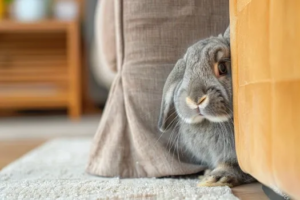
Preventing and Treating Rabbit Enteritis in Autumn
Enteritis is a key autumn risk for rabbits—warm, humid early autumn fuels pathogens and moldy feed. This guide breaks down parasitic, bacterial, toxic, and stress-related enteritis and how to prevent each.

Why Do Goldfish Get Enteritis?
Dirty food, overfeeding, poor water, and bacterial infection are common causes. Early signs are lethargy, slow movement, and refusal to eat — often treatable with water change, salt, and warmth. Mid-stage shows a protruding, red, swollen vent and darkened body, needing nitrofurazone baths. Late stage may fill the abdomen with mucus and needs antibiotics or metronidazole with furazolidone.

What to Do When an Arowana Has Enteritis
Enteritis is common in arowana, with several causes that need different treatments. This article covers the common causes and how to treat each.
Severe gastroenteritis, not drinking or eating, had injections, body twitching
Severe gastroenteritis needs anti-inflammatories, gut protectants, probiotics, and electrolyte correction; avoid blind medication. Urgent vet care prevents dehydration and shock.