Search Results
1285 results for “Enteritis”

What Is Canine Campylobacteriosis
Canine campylobacteriosis is caused by Campylobacter, a bacterium commonly associated with diarrhea in dogs, cats, and humans. In recent years, Campylobacter has gone from an obscure veterinary pathogen to a well-known major cause of human enteritis. This article explains what canine campylobacteriosis is.

What If Your Cat Still Has Soft Stool After Deworming?
Soft stool has many causes: irritating or overeaten food (fragile kitten guts cause poor digestion, soft stool, even diarrhea), parasite infection, early feline distemper, etc. Owners can first give some probiotics to settle the gut.

Pros and Cons of Feeding Cats a Raw Meat Diet (BARF)
Raw meat benefits cats: it exercises their bite, supplies protein and trace elements, supports health, and makes the coat smoother and shinier.

What Are a Cat’s Natural Behaviors?
Through a long shared history, cats now fit urban life; varied yet affectionate, they make us gladly serve them. Today let's discuss their biological traits.

Why Does My Dog’s Tummy Gurgle?
Heard a dog's belly rumble? That gurgle comes from gas moving in the stomach.

Feline Immunodeficiency Virus (FIV): Symptoms, Treatment and Prevention
A cat with FIV shows: chronic stomatitis, gingivitis, fever, weight loss, lymph node inflammation, anemia, diarrhea, and neurological signs. The main transmission route is thought to be bite wounds; experiments also confirm the possibility of placental infection, though not yet proven clinically, and a queen may pass it to kittens via saliva or milk.

What Is Feline Distemper and What Are Its Symptoms?
Feline distemper is the name for acute, highly contagious diseases such as feline panleukopenia and feline infectious enteritis. A cat with distemper shows fever, panleukopenia, vomiting, diarrhea, bloody stool, lethargy, and loss of appetite.

Symptoms and Treatment of Feline Distemper
Feline distemper, also called feline panleukopenia or feline infectious enteritis, is an acute, highly contagious disease in cats. A cat with distemper shows: reduced white blood cells, reduced appetite, soft stool, vomiting, fever, dehydration, and other symptoms.
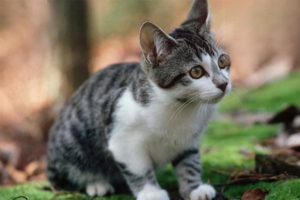
Feline Distemper: Causes, Symptoms, Incubation Period and Treatment
Feline distemper is no joke—it can take a cat's life and spread to more healthy cats, causing more to die from it. So how do cats get it, and how should feline distemper be treated?

Feline Distemper in Cats: Symptoms, Causes, Diagnosis and Treatment
Feline distemper, also known as feline panleukopenia, is one of the most common acute infectious diseases in cats clinically. It is a highly contagious, febrile disease caused by parvovirus infection. Kittens have extremely high infection and mortality rates, and affected cats typically show sudden onset, markedly reduced white blood cells, high fever, anorexia, depression, vomiting, hemorrhagic enteritis, and severe dehydration.