Search Results
1285 results for “Enteritis”

Common Rabbit Vaccines and How to Use Them
Core rabbit vaccines—against viral hemorrhagic disease, myxomatosis, pasteurellosis, bordetellosis, clostridium, pseudotuberculosis, salmonellosis, and E. coli—are mostly inactivated and given as a 1 ml shot, with immunity in about a week and boosters every 6 months (myxomatosis annually). Store at 4–8°C, inject under the skin of the neck after disinfecting, and avoid vaccinating pregnant does unless essential.

Does Feline Panleukopenia Mutate?
Talk of feline panleukopenia (cat plague) mutating—riding on COVID variant fears—has no scientific basis. The real concern is how dangerous it is: highly contagious across cats and other felids, striking all ages (kittens under one year worst, with 70% infection and 50–60% death rates), and the parvovirus survives over a year in the kidneys. Vaccinate and act fast on vomiting, diarrhea, or blood in stool.
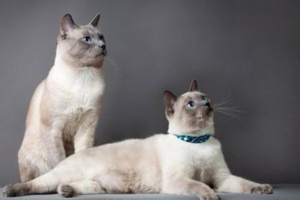
Why Does a Cat Get Diarrhea After a Bath?
Post-bath diarrhea usually comes from poor digestion, stress, or getting chilled. Mild cases respond to probiotics and a calm, warm space; if it turns watery and frequent, see a vet to rule out gastroenteritis, parasites, or panleukopenia—especially in unvaccinated cats, where dehydration and low blood sugar can be fatal.

Essential Supplies to Prepare Before Getting a Cat
Setting up before a cat arrives saves stress. Must-haves: a proper cat food (match its current brand, plus kitten formula and bottle if it's unweaned), a litter box with high-sided, low-entry design and tofu litter, ceramic or stainless bowls with a running-water fountain, a coat-appropriate brush, and a deworming plan (internal every 1–3 months, external monthly for outdoor cats).

Why Is My Cat Vomiting After Giving Birth?
Occasional post-birth vomiting can be normal — from licking kittens' feces, overeating, or labor pain — but frothing with panting, a stiff gait, or tremors signals hypocalcemia and needs an emergency vet visit. Monitor closely and get help for any worrying sign.

Common Causes of Diarrhea in Cats
Diarrhea in cats traces to a food switch, the wrong foods (milk, shrimp), parasites, enteritis, or a sudden chill — and the fix starts with a 24-hour fast and close observation. If your cat is bright and eating, watch and wait; if it turns lethargic, stops eating, or shows blood or vomiting, see a vet.
Foods You Should Never Feed Your Pet
Some human treats are silently deadly to cats and dogs. Chocolate's theobromine builds to toxic levels because pets metabolize it slowly; grapes and raisins cause acute kidney failure; and alliums like onion and garlic destroy red blood cells and trigger anemia. Feed scientifically and keep these off the menu.

Why Dogs Vomit Yellow Fluid and How to Treat It
Vomiting yellow fluid is usually tied to diet or gastrointestinal disease, and the underlying cause is revealed by the dog's body condition, feeding routine, and what the vomit looks like. Once you rule out a gastric foreign body or viral infection, most cases from gastritis or gastroenteritis improve with short-term fasting, antiemetics, and gut support.
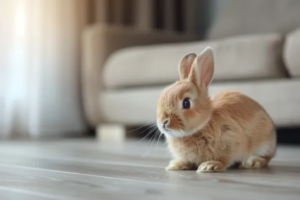
How Owners Can Help a Rabbit With Diarrhea
Rabbit diarrhea usually traces to diet — too much water or too little fiber, parasites, or stress — and young rabbits are vulnerable. Withhold greens and fast briefly with hay and water for mild cases, but seek a vet at once for blood, mucus, fever, or lethargy.
Why a Cat Still Has Blood in Its Stool After Probiotics
Blood in a cat's stool usually means intestinal parasites or gastroenteritis (often feline coronavirus), not a probiotic deficiency. Deworm and sanitize for parasites; use an anti-diarrheal plus probiotics for gut inflammation. If bleeding persists despite a quality live probiotic, the case is too severe for probiotics alone.