Search Results
1285 results for “Enteritis”

Dog Suddenly Vomiting Yellow Foam and Refusing Food
A dog that suddenly vomits yellow, foamy, foul-smelling fluid and stops eating is often dealing with gastritis from irregular feeding, long hunger, a swallowed object, indigestible food, or a viral infection. Adjust meal timing and portions, use a vet-prescribed gut anti-inflammatory, and see a clinic if a foreign object or virus is involved.

What to Give a Dog That Throws Up Yellow Foamy Fluid
Yellow, foamy vomit usually means an empty, irritated stomach — often a chill or gastroenteritis — and uncontrolled vomiting risks dehydration. Small sips of water, a short fast, and a vet's anti-nausea plan are the safe path; a cold needs warmth, gut inflammation needs a clinic.

What Medicine for a Corgi With Diarrhea
Corgi diarrhea is not automatically parvovirus or distemper — often it is a chill, overeating, a food switch, or worms. Rest, portion control, probiotics, and deworming handle most cases, while a vet visit is the safe call when the cause is unclear.

How to Treat a Dog With Vomiting and Diarrhea
Vomiting and diarrhea together usually trace back to diet — overeating, a sudden food switch, cold meals, or table scraps — but they can also signal gastroenteritis or a viral disease. Fix the feeding first, and reach a vet when the cause is illness or the signs persist.
What to Do When a Dog Vomits and Won’t Eat
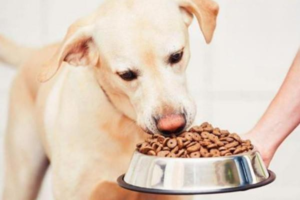
A dog that vomits and refuses food can have anything from a swallowed bone to a viral infection. Read the vomit — undigested food points to indigestion, yellow bile hints at a virus, and any other color may mean bleeding — and see a vet for the serious patterns.

Why Does My Dog Keep Vomiting?
Frequent vomiting in dogs usually points to gastroenteritis, parasites, or heatstroke rather than a one-off upset. Match the pattern to the cause, keep up with deworming and summer safety, and treat persistent vomiting with blood or diarrhea as an emergency.

What to Do When a 2-Month-Old Kitten Has Diarrhea
A very young kitten with diarrhea needs prompt care — its body isn't fully developed and dehydration is a real risk. Stress, a chill, or early gastroenteritis are the usual causes; comfort and warmth help, and a probiotic or a vet visit settles the gut.

What to Do When Your Dog Won’t Eat and Vomits
A dog that skips meals and vomits deserves attention. The vomit's look points to the cause — undigested food suggests overeating or hard-to-digest meals, while frequent vomiting with no appetite can signal infection or gut inflammation that needs a vet.

Why Is My Bichon Throwing Up Yellow Fluid?
Bichons have naturally sensitive stomachs, so yellow vomit is common. It usually means the dog gulped food and is protecting its gut, went too long without eating, or — if the fluid is foamy and frequent — is actually ill and needs a vet.

What to Do When Your Cat Has Watery Diarrhea
Watery diarrhea in cats can signal anything from routine enteritis to serious feline panleukopenia, and the right treatment depends on the underlying cause. Bloody stool, vomiting, fever or weakness means urgent veterinary care. Supportive care at home helps only once the cause is identified.