Search Results
1067 results for “Ear cleaning”

Canine and Feline Blepharitis: Symptoms, Treatment, and Prevention
Blepharitis is inflammation of the eyelid margin in dogs and cats, usually from bacterial or fungal infection of overactive glands, causing redness, crusting, and often conjunctivitis. It is treated by cleaning the lid and controlling infection.

Canine and Feline Interdigital Pyoderma: Symptoms, Treatment, and Prevention
Interdigital pyoderma is a painful bacterial infection between the toes of dogs and cats, causing swelling, redness, moisture, and foul odor, sometimes with draining tracts. It often follows a moist environment, mites, or blocked follicles, and needs thorough cleaning plus veterinary-directed antibiotics.

Interdigital Cysts in Dogs and Cats: Symptoms, Treatment, and Prevention
Interdigital cysts (interdigital furunculosis) are a chronic inflammatory skin condition of the paws, not true cysts, starting as small papules between the toes that enlarge, suppurate, and form nodules causing pain, lameness, and licking. Antibacterial care controls it; stubborn cases need surgical removal of the web.

Tendon Rupture in Dogs and Cats: Symptoms, Treatment, and Prevention
Tendon rupture is a break in the continuity of a tendon, most often a flexor or the Achilles, from sudden overstretching, bone disease, or a cutting wound. It causes a flaccid, painful gap with loss of function - a flexor rupture stops weight-bearing, an Achilles rupture drops the hock. Closed tears are rested; open tears need surgical repair.

Putrefactive (Saprogenic) Infections in Dogs and Cats
Putrefactive infection is wound infection by putrefactive clostridia and other bacteria after injury or poor healing. It causes foul, gassy discharge and non-healing tissue. Thorough cleaning and veterinary antimicrobials are needed.
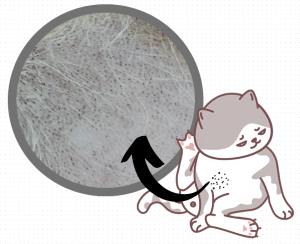
Black Dots on Your Cat’s Skin: Folliculitis, or ‘Black Chin’ and ‘Stud Tail’
Black dots on a cat's skin are usually the early sign of folliculitis, like blackheads, driven by excess sebum, blocked follicles, and bacterial infection. On the chin it is called black chin, and on the tail stud tail or oily tail, both managed with gentle localized cleaning and diet adjustments.

Snake Bite Envenomation in Dogs and Cats
Snake envenomation occurs when a venomous snake bites a dog or cat, injecting toxin that can paralyze muscles, damage the heart, and stop breathing. Cobra-class bites can cause rapid heart failure and death. Immediate first aid and antivenom are vital.

Wounds and Trauma in Dogs and Cats
Trauma from abrasions, punctures, bites, and other injuries damages skin and deeper tissues. Untreated wounds can become infected and harm underlying structures. Prompt cleaning, bleeding control, and veterinary care prevent complications.

Vulvitis and Vaginitis in Dogs and Cats
Vulvitis and vaginitis are bacterial inflammations of the vulva or vaginal mucosa in female dogs and cats. Signs are similar and include itching, redness, swelling, and inflammatory discharge; treatment focuses on cleaning and veterinary-directed antibiotics and is usually not life-threatening.
Balanoposthitis in Dogs and Cats
Balanoposthitis is inflammation of the glans penis and prepuce in dogs and cats, usually from bacterial invasion after abrasion or poor hygiene. It causes swelling, heat, itching, and inflammatory discharge, and is treated with cleaning and veterinary-directed antibiotics.