Search Results
1067 results for “Ear cleaning”
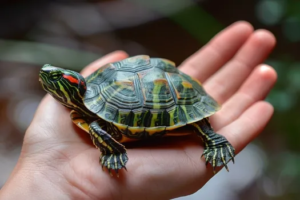
Why Is My Turtle’s Shell Rotting?
A rotting shell loses the turtle its main shield, and it usually comes from imbalance: poor diet short on vitamins and minerals, skipped cleaning that lets bacteria and parasites invade, too little light and wrong temperatures, or untreated scrapes that get infected. Feed a complete, balanced diet; rinse the shell weekly and keep the tank water fresh to stop bacteria; give proper sunlight—it disinfects—and steady warmth; and pad the enclosure so the shell isn't injured. If you spot damage, treat it early before infection spreads. Steady, careful care is what keeps a turtle's shell sound.

Do Guinea Pigs Need Baths?
Yes—guinea pigs need baths. As small pets they live in easily soiled spaces, and without regular washing, dirt builds up, they smell, and health suffers. A bath cleans the coat, cuts bacteria and parasites, and lowers disease risk, and it is also a nice bonding moment where you learn your pet's habits. Aim for 2–3 baths a month; over-bathing strips the skin's natural barrier and causes dryness and itching. Use lukewarm water (35–38°C), guinea-pig-specific tub and shampoo—never human products—and dry thoroughly with a towel and low-heat dryer to prevent chills. For pigs that hate water, a wipe-down with a damp cloth or pet cleaning spray works too.
How to Raise a Social, Confident Kitten
A confidently social cat is not born that way—it is shaped during the socialization window of 2–7 weeks after birth, when a kitten's brain is most open to new people and experiences. During this period, gradually acclimate the kitten to its home, then to the outside world and strangers; get it used to being touched on paws, mouth, and ears so future grooming is easy; and invite gentle friends to interact on the cat's terms. If you missed the window, an adult cat can still learn with extra patience, treat-based trust, calming tools, and perhaps a calm 'social mentor' companion. Always respect the cat's individual personality.

Symptoms and Treatment of One-Eye Cold in Parrots
One-eye cold is a common contagious eye condition in parrots, marked by swollen conjunctiva, watery discharge, lethargy, reduced appetite, and weakness, with respiratory signs in severe cases. If you notice these symptoms, take them seriously and treat promptly. Care begins with isolating the sick bird and disinfecting the cage, then gently cleaning the eye and applying bird-specific drops such as bird-specific eye drops or human erythromycin ointment—treating both eyes even if only one is infected. Serious cases need antibiotics under a vet's guidance. Daily hygiene, clean food and water, and regular check-ups are the best prevention.

Bichon Frise: Pros and Cons to Consider Before Adopting
The Bichon Frise is a small, fluffy, friendly companion that rarely sheds and suits apartments and families. But it is not the easiest breed to live with: tear stains are almost inevitable, its curly coat needs constant grooming, it is prone to separation anxiety, and its delicate constitution means sensitive digestion and frequent dental issues. Weigh these pros and cons before bringing one home.

Why Does Your Dog Bite Your Pant Legs? (And What It Means)
When a dog grabs and tugs at your pant leg, it is rarely out of spite. Most often the dog is trying to get your attention, invite you to play, or signal a need such as an empty food bowl. The swaying fabric can also trigger an inherited prey drive, since a moving pant leg looks like something to chase. In some cases—especially when you pick up keys or put on shoes—it signals separation anxiety: studies show a large share of dogs chew scent-bearing items to soothe themselves when they sense you are leaving. The fix is consistency: ignore the behavior, reward calm following, offer chew toys, and meet the dog's exercise needs. Understanding the motive behind the bite is the first step to changing it, and learning your dog's other body-language cues helps you bond.

Will Hitting a Cat Stop It From Peeing on the Bed?
Many cats develop a habit of urinating on the bed, and the strong odor of cat urine makes the smell linger even after cleaning, causing real frustration for owners. Some pet parents believe a quick swat will teach a lesson, but punishment rarely works. Most cats that are hit will hold a grudge and may urinate on the bed even more, or act out with scratching, sofa damage, or nighttime attacks. In truth, bed-wetting usually signals an underlying issue—heat cycles, stress, or a urinary or reproductive disease—not defiance. The right approach is to rule out medical problems, consider spaying or neutering, check the litter box, clean accidents thoroughly, and reward correct toileting. Guidance, care, and positive reinforcement, rather than punishment, are what truly resolve the behavior.

Do Cats Bully Each Other?
Bullying does occur among cats, yet owners often overlook it—especially in multi-cat homes. Cats are territorial animals that establish a social hierarchy, so competition over food, water, litter boxes, space, or a newcomer's arrival can trigger one cat to intimidate another. Typical bullying includes chasing, pouncing, biting, resource guarding, and social exclusion, while victims may over-groom, hide, lose appetite, or grow aggressive. Left unchecked, chronic stress harms the targeted cat's health and the household's harmony. The good news is that owners can prevent and reduce conflict by providing ample resources, introducing new cats gradually, intervening calmly when fights start, and avoiding favoritism. This guide explains why cats bully, how to spot both the behavior and its victims, and practical steps to restore peace.

Symptoms of Canine Leptospirosis
Leptospirosis is a serious dog disease caused by Leptospira bacteria - also called infectious jaundice or hemorrhagic jaundice - that spreads through skin, mucus membranes, and contaminated food or water, often peaking in summer and early autumn. Two forms stand out: one brings sudden fever, vomiting, dark bile-colored urine, yellow gums, and bleeding, while the other causes vomiting and bloody diarrhea with mouth ulcers and a death rate of 60-80 percent in acute cases. Diagnosis uses microscopy, culture, and blood tests, and treatment pairs antibiotics with liver and fluid support. Clean housing, rodent control, quarantine, and the two-type vaccine are the key preventives.

Does Your Dog Have Bad Breath?
Picture never brushing your teeth - that is a dog's mouth. Oral disease is 70-80% of pet health issues, built slowly from food, saliva and bacteria forming plaque that mineralizes into tartar; the warm mouth breeds infection, gums recede and teeth break down, then bacteria enter the blood to reach the heart, liver and kidneys, even sepsis. If disease is already there, a pro must scale and clean under the gumline, then polish - unpolished teeth erode faster. Many clinics now offer anesthesia-free cleaning for mild tartar using imported devices. Daily prevention is cheapest: a grooming-visit dental cleanup, store-bought dental gel and water additive (a few dollars a month, well reviewed and safe), and dental chews or antler chews. Do not wait until treatment is costly.