Search Results
1067 results for “Ear cleaning”

How to Keep Goldfish in Winter and the Right Water Temperature
As temperatures drop in winter, lively goldfish grow sluggish, and safe overwintering is not easy for the small ones. Here are winter goldfish tips on feeding and keeping them warm.

How to Set Up a Rabbit Hutch
Rabbits live in cages long term, so a comfortable hutch is essential, and place it away from damp, dark spots. This article details the items and cautions for setting up a rabbit hutch.

How to Maintain Your Cat’s Dental Health
Tartar and gingivitis are common feline dental problems, usually caused by owners feeding too much soft food and skipping regular teeth cleaning. This article shares practical methods and tips to keep a cat's teeth healthy.

Chinchilla Fur Care Tips
A chinchilla's dense coat is cleaned with dust baths, never water, and stayed healthy through balanced diet and regular care. Feed alfalfa for protein and amino acids and mulberry leaves for minerals, or a quality pellet matched to the individual; dust-bathe with fine volcanic-ash powder, adjusting frequency to humidity and the twice-yearly molts, since over-bathing dries the skin.

How to Litter Train Your Rabbit
Rabbits learn litter use with patience in about ten days to two weeks. Set a low plastic tray with litter and a hay rack beside it, seed it with the rabbit's own droppings and urine, and reward success while cleaning misses with deodorizer and vinegar. Older rabbits learn faster, and intact rabbits mark territory when in heat, so neutering at 4 to 6 months (small/medium) or 8 to 9 months (large) curbs accidents.
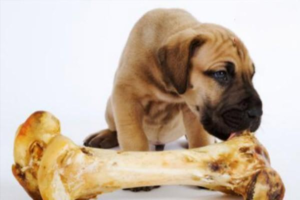
Should Dogs Eat Bones? How to Do It Safely
Vets often warn against bones because they are hard to digest and can block the gut, yet they also clean teeth, calm boredom, and add calcium. If you do give them, choose raw, large, non-hollow bones and avoid cooked poultry bones that splinter; cartilage, pressure-cooked bones, fish heads, necks, tails, frames, and pork fans are safer picks.

How to Clean a Cat Tree (and Other Cat Supplies)
Many owners give their cat a cat tree for exercise and fun, and most cats love it. But cleaning it is a headache since it's hard to take apart. Here are ways to clean the cat tree and other cat items.

Rabbit Louse Infestation: Signs and Treatment
Rabbit pediculosis is caused by the rabbit blood-sucking louse (Haemodipsus), spread by contact, that bites and itches the skin, causing restlessness, weight loss, and poor coats, worst in kits. Spot the lice and yellow eggs at the fur base; treat with ivermectin injection or coumaphos/trichlorfon/fenvalerate washes, and prevent by quarantine, cleaning, and routine deworming.

Rabbit Stress: Causes, Signs, and How to Avoid It
Rabbits are timid and sharp-eared, so strong or repeated shocks can stress them severely, even fatally. Causes include changed water or feed, weather, noise, light, moves, and strangers; signs are raised pulse and breathing, restlessness or hiding, refusing food, and does crushing or rejecting kits. Avoid stress with steady routines, fixed light, temperature control, quiet, and gradual feed changes.

How to Choose, Clean and Disinfect Your Dog’s Bowls
A dog needs two bowls — one for water, one for food. Pick the shape by face type (shallow and wide for flat faces, deep for long muzzles, small-opening or raised for long ears) and the material in the order stainless steel > ceramic > glass > plastic. Rinse the water bowl daily, wash the food bowl after meals, and disinfect everything weekly in boiling water or a mild disinfectant.