Search Results
1067 results for “Ear cleaning”
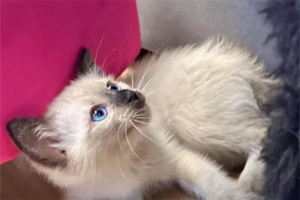
Why Does a Cat Favor One Family Member?
A cat may prefer one person because it senses who gives the most care and companionship, matches its personality, offers security, or bonded with it early. The one who only plays (not the one who baths and clips nails) often wins favor. Respect the cat's taste — and remember preferences can change over time.
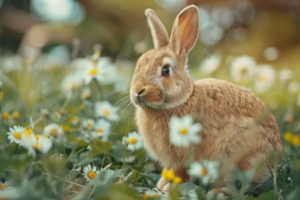
How Long Do Rabbits Live?
A rabbit's lifespan depends on breed, genetics, diet, environment, daily care, and disease prevention. To extend it, give your rabbit a good home, proper diet and care, and timely health attention. With a clean environment, scientific feeding, and routine care plus prevention, you can greatly lengthen a rabbit's life and share more happy years together.

6 Common Cat Diseases and How to Prevent Them
Cats hide pain well and can't tell you what's wrong, so owners need a basic grasp of common feline illnesses. Beyond regular checkups and vaccines, know the warning signs of the six frequent problems: urinary tract disease, respiratory infection, periodontal disease, parasites, ringworm, and ear mites. This guide summarizes each condition's symptoms and the everyday prevention that matters most—more water, less stress, dental care, deworming, and a clean, dry environment.

The ‘Sandwich’ Training Trick to Make Your Cat Cooperate
The 'sandwich' method borrows a conversation technique of praise–criticism–praise and applies the same pattern to cat training. Once you master it, tasks your cat used to resist—giving pills, trimming nails, brushing, detangling—will be met with cooperation. The principle is simple: first do something your cat loves (play, treats); then quickly perform the 'scary' procedure (pilling, etc.); and finally end with something it loves again. Learn what your cat enjoys—chin scratches, baby food, laser pointers, catnip—and identify the procedures it fears, from nail trims to temperature checks. With patience you will discover its motivators, and over time the 'scary' routines lose their fright. A small tip: for long procedures like nail trimming, give a full sandwich after each single nail.

Canine and Feline Aural Hematoma
An aural hematoma is a pocket of blood that forms between the skin and cartilage of the ear flap, usually triggered by vigorous head shaking or scratching. Small collections may be drained, but most require surgery to prevent a permanently scarred, thickened ear.

Bichon Frise: Health and Care Considerations Before You Adopt
The Bichon Frise is a gentle, low-shedding companion dog, but prospective owners should know its common care needs: pronounced tear staining from shallow tear ducts, a coat that mats and pulls the skin, separation anxiety, a sensitive stomach, and dental issues. Meeting these needs keeps the dog healthy.

Pet Skin Diseases (Part 1): Parasitic and Fungal Infections
Skin disease is common in dogs and cats and tends to flare up and recur, usually because their skin defenses are weak and their surroundings are full of triggers. The two hardest types to clear are external-parasite infestations (fleas, lice, mites, ticks) and fungal infections (ringworm); both cause intense itching, hair loss, and skin damage and need treatment of both pet and environment. Since they are contagious and slow to resolve, early veterinary care and consistent parasite control are the keys to recovery.

Treating and Preventing Otitis Externa in Dogs
Effective treatment of dog ear infections starts with a deep clean and then targets the cause—parasites, fungi, bacteria, allergies, or growths—while severe cases need a vet. Prevention is simpler: don't over-bathe, keep the ears dry, and deworm and disinfect the environment on schedule.

Do Female Dogs Get Periods? Caring for a Dog in Heat
Most dogs have their first heat around six months of age, with the cycle lasting roughly two weeks. During this time immunity dips and the dog draws unwanted attention, so keeping her clean, calm, and contained is what gets you both through it.

Treating Cellulitis in Dogs
Cellulitis is a common dog skin infection, more likely in Goldens and Huskies. Mild cases show red, painful swelling; severe ones can press on the airway or turn necrotic, and treatment means clipping, cleaning, drawing out pus, and iodine care.