Search Results
107 results for “E-collar”
What medicine is used for cat stomatitis?
Cat stomatitis is treated with oral gels such as watermelon frost or dexamethasone, plus antibiotics if infected. Use an E-collar and keep the mouth clean.
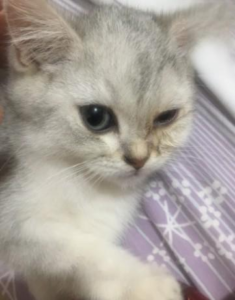
Cat Eye Swelling and Tearing: A Recovery Case
A cat with one swollen, tearing, discharging eye—but no sneezing or runny nose—most likely has a bacterial conjunctivitis rather than a viral one. Ingrown eyelashes or a foreign body can be the trigger. Oral amoxicillin plus antibiotic eye drops, an E-collar, and a dim, clean environment brought clear improvement in a few days. An ingrown lash, though, needs a vet to remove.
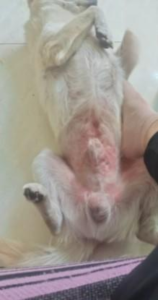
Dog Skin Redness and Hives: A Recovery Case
After a day outdoors, a dog came home with a large red, itchy rash on its belly—likely bacterial eczema or allergic dermatitis/hives. Left unchecked, such redness spreads fast and itches intensely. With an antimicrobial skin spray, zinc oxide ointment, and an oral antihistamine, the redness faded within a few applications. Catch it early and see a vet if it spreads.

What to Do About White Discharge in Your Cat’s Eye
White discharge usually signals an eye infection such as conjunctivitis, keratitis, or blepharitis, so identify the cause early. Discharge at the corner often means conjunctivitis—check for sneezing, runny nose, or fever, which point to a viral infection needing a vet; a white film over the eye needs prompt clinic care. At home, clean gently with saline, apply pet-specific antibacterial drops (neomycin sulfate, chloramphenicol, levofloxacin), boost vitamins A and C, and keep the environment clean. If no improvement in a few days, see a vet.
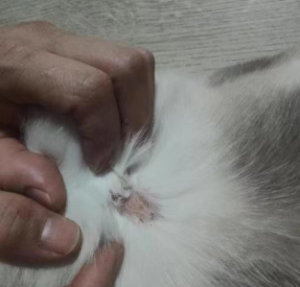
A Cat Ringworm Case: Diagnosis and Treatment
A 5-month Ragdoll with an oval bald patch, scales, and mild crusting on the neck turned out to be ringworm—confirmed by a Wood's lamp and typical signs. Treated with fur-clipping, cleaning, an antifungal spray and ointment, vitamin B, and an E-collar, he improved within a week. The case shows why vet confirmation and full-course treatment matter.

What to Do When Your Hamster Has Eye Inflammation
Hamster eye inflammation is usually conjunctivitis—redness, itching, and tearing, with sticky discharge in the corner of the eye and, in severe cases, poor appetite and low energy. It is treated with antibiotic eye drops containing lysozyme, oxytetracycline, or tylosin, used 2–5 times daily for 5–7 days after wiping away discharge with saline. Keep the cage clean and draft-free, clean the eyes daily, boost nutrition, and fit a cardboard e-collar if your hamster keeps scratching. If there's no improvement after a few days, see a vet.

Spaying and Neutering for a Longer Bond
Neutering does more good than harm: it lengthens life by slowing organ aging, cuts cancer risk, and reduces roaming, howling, and fighting. Prepare with fasting and the right timing (after first heat, not during), and care post-op with rest, warmth, wound cleaning, and an E-collar. Males are best done at 7-8 months, females after their first cycle.

What to Know Before Cat Spay/Neuter Surgery
Neutering cuts disease risk (tumors, ovarian cysts), stops heat stress and roaming, and curbs spraying. In China, do it after sexual maturity—about 6 months and 6 lb. Before surgery: a full pre-anesthetic exam (health, anesthesia allergy) at a reputable clinic; complete vaccines so antibodies protect the healing wound; fast 8 hours and withhold water 4 hours (aspiration causes fatal pneumonia); pack a sturdy large cat carrier, pee pads, eye lube, and an E-collar. Females take ~40 min, males ~10–20; go home after recovery. After: keep clean, feed soft nutritious food, control portions (weight gain is common), and E-collar 7–10 days. Cost is usually under 1,000 yuan—watch for overcharging.

Caring for Your Cat After Spay or Neuter Surgery
Under anesthesia your cat is dazed but inwardly anxious, angry, and fearful, and will rebound once home. Care: stay with it during anesthetic recovery (male cats may not blink—use eye drops); wait at least 6 hours before water and food, then give a quiet, clean space without over-attention; isolate from other cats and keep the E-collar on 7+ days to stop licking; watch for discharge or fever after 2–3 days and see a vet. Post-op prescription cans adds antibiotics and tempts appetite while keeping nutrition balanced (crucial—avoid constipation, especially females). No can? A plain steamed mash of chicken, liver, fish/beef, and egg works; the cat will eat more and may get sleepy and plump, so control portions.
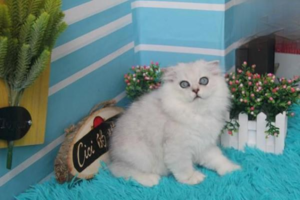
What to Do When Your Cat Has a Sensitive Stomach
Vomiting has clear causes: regurgitated kibble means eating too fast or too much (slow it with set meals; soften for kittens); hairballs need daily brushing and cat grass; bile from an empty stomach needs small frequent meals; blood means inflammation or a sharp object—go to the vet. For soft stool, withhold food and water a day and give probiotics. Underlying causes include skipped deworming (internal every 3 months, external monthly) and bad habits: too many salty snacks, abrupt food changes (transition over 7 days), and mixing new food into old.