Search Results
334 results for “Dog soft stool”

Pros and Cons of the Siberian Husky
The Husky looks much like a wolf—handsome, friendly, non-aggressive, and loyal. It's a born clown with a gift for comedy that cheers owners up, and it adapts well to extreme cold and low oxygen. But its energy is boundless, so without enough exercise it tears up the home; it's stubborn and hard to train, and its wolf howls can disturb neighbors.
Is the Toy Poodle Really Easy to Keep? Don’t Be Fooled
Toy Poodles are smart, cute, low-odor, and light shedders, so they're often pitched as the perfect beginner dog. But they come with real drawbacks: fragile bones prone to patellar luxation, a tendency to mount and bark, stubborn tear stains, sensitive stomachs, and ear infections. Know the full picture before you bring one home.
Can puppies eat sweet potato?
Yes, but not too much at once. Very young pups have immature guts, so puppy food should be the staple and other foods minimal. Sweet potato makes gas in the gut, so overfeeding causes bloat, vomiting or diarrhea — watch the stool and stop if soft/loose. Its starch and sugar also burden metabolism and oral health, so don't feed often.

When Can Puppies Be Weaned
Puppies are usually ready to wean at 4-6 weeks, when their immune, teeth, and digestion can handle solid food. Start with puppy mush (kibble softened in warm water or goat milk), then shorten soaking time until they eat dry food.

Bichon Frise: Pros and Cons to Consider Before Adopting
The Bichon Frise is a small, fluffy, friendly companion that rarely sheds and suits apartments and families. But it is not the easiest breed to live with: tear stains are almost inevitable, its curly coat needs constant grooming, it is prone to separation anxiety, and its delicate constitution means sensitive digestion and frequent dental issues. Weigh these pros and cons before bringing one home.

Enrofloxacin for Pets: What It Treats and Key Safety Notes
Enrofloxacin is a third-generation fluoroquinolone antibiotic made for animals. It works by blocking a bacterial enzyme needed for DNA replication, and it is commonly used for urinary, reproductive, digestive, and skin or soft-tissue infections in dogs and cats. It is prescription-only: typical oral dosing is 5–10 mg/kg per day, and several groups should never receive it. Always follow your veterinarian's plan.
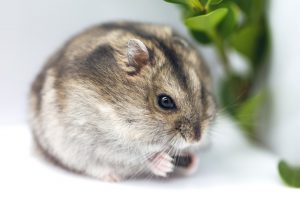
Winter White Dwarf Hamster
The Winter White Dwarf Hamster (Phodopus sungorus), also called the Djungarian hamster or Russian dwarf, is the easiest and tamest of the small hamsters and turns white in winter. A solitary species, it needs a safe cage, a wheel, and a careful diet free of onion, chocolate, and apple seeds. Lifespan 2–3 years.

Exotic Shorthair
The Exotic Shorthair — everyone's "Garfield cat" — pairs the Persian's plush look with a short, easy-care coat. Sweet, calm, and affectionate, it's one of the most laid-back cat breeds to live with.

Bichon Frise: Health and Care Considerations Before You Adopt
The Bichon Frise is a gentle, low-shedding companion dog, but prospective owners should know its common care needs: pronounced tear staining from shallow tear ducts, a coat that mats and pulls the skin, separation anxiety, a sensitive stomach, and dental issues. Meeting these needs keeps the dog healthy.

Canine and Feline Food Allergy (Adverse Food Reaction)
Food allergy is an immune reaction to a dietary ingredient that produces itchy skin and digestive upset. It is controlled by identifying and removing the offending food through an elimination diet.