Search Results
89 results for “Dog coccidia”

What Are Feline Coccidia, Tritrichomonas, and Giardia?
Coccidia, tritrichomonas, and giardia usually cause gastrointestinal symptoms in cats, like diarrhea and blood in stool. Here's an introduction.

Why Does My Dog’s Tummy Gurgle?
Heard a dog's belly rumble? That gurgle comes from gas moving in the stomach.

Dog Diarrhea: Causes and What to Do
Normal dog stool is formed brown 1-2 times daily; diarrhea is soft/watery, more frequent, sometimes with blood or odor, and low energy. Causes range from diet and stress to viruses, bacteria, parasites, IBD, and tumors; fast, probiotics, and vet care by severity.

Common Questions About Deworming Dogs
Internal deworming must be timely. Regular deworming is a must for every owner, because as a dog grows it inevitably picks up internal and external parasites; left unchecked, severe cases seriously threaten its health.

A Review of 10 Dog Deworming Medications
Skipping internal deworming long-term also risks zoonotic infection; there are already several real cases. Facing so many internal dewormers on the market, which truly suit your dog? Today we cover dog dewormers comprehensively.
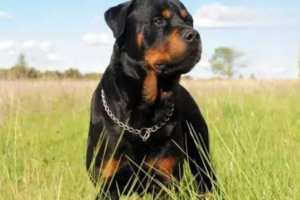
How to Properly Give Your Dog Oral Dewormers
After a few days home, the new dog has adapted and eats normally - now it is time for internal deworming. Check our puppy internal-dewormer review to pick a suitable one.

Do Dogs Need Deworming in Spring?
Parasites by site split into internal and external, both harming dog health and slowing puppy growth, and causing other disease. Let's see whether spring deworming is needed.
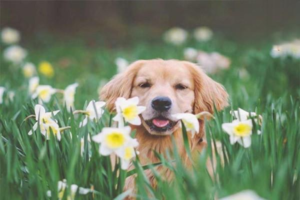
Dog Coccidiosis: Symptoms and Treatment
Coccidia of the Eimeria and Isospora families cause gastrointestinal disease in dogs, with bloody stool, anemia, weakness, and dehydration as the main signs. Here is how to treat coccidiosis.
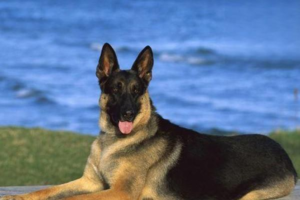
Why Do Cats and Dogs Vomit
There are many causes of vomiting in cats and dogs, and it can be either physiological or pathological. Frequent vomiting is usually disease-related. Here is a detailed explanation.

Dog Diarrhea: Causes and Treatment
Healthy dogs pass firm, brown stools one to two times a day. Diarrhea — loose, watery, or bloody stools with a strong odor — signals an underlying problem. Causes range from mild dietary upset to infections, parasites, IBD, and other diseases, so persistent or severe cases need a vet.