Search Results
637 results for “Dog calcium”

Intervertebral Disc Disease in Dogs and Cats: Symptoms, Treatment, and Prevention
Intervertebral disc disease occurs when a degenerating disc bulges or ruptures and presses on the spinal cord, causing pain, numbness, and movement loss. It favors the thoracolumbar (about 85%) and cervical (about 15%) spine in small or chondrodystrophic dogs. Conservative rest and anti-inflammatories help mild cases; severe ones need decompressive surgery.

Hip Dysplasia in Dogs and Cats: Symptoms, Treatment, and Prevention
Hip dysplasia is a hereditary developmental disorder of the hip joint influenced by genetics and environment, common in large breeds such as shepherds and setters. Progressive laxity and deformity cause lameness, reluctance to rise, and a characteristic 'bunny-hopping' gait; management is conservative with weight control and pain relief, and surgery is considered case by case.

Elbow Dysplasia in Dogs and Cats: Symptoms, Treatment, and Prevention
Elbow dysplasia is a group of inherited developmental elbow joint diseases - ununited anconeal process, fragmented medial coronoid process, and osteochondritis of the medial humeral condyle - driven by genetics and rapid growth. It causes forelimb lameness, a reluctance to walk, and sometimes a crackling joint sound. Weight control, pain relief, and surgery in severe cases are the mainstays.
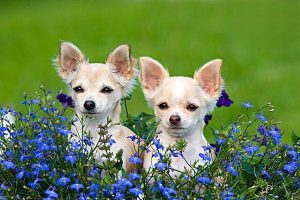
Patellar Luxation in Dogs and Cats: Symptoms, Treatment, and Prevention
Patellar luxation is displacement of the kneecap out of its trochlear groove, common in small breeds such as Toy and Pomeranian dogs and usually from a congenital conformational defect or trauma. It causes a sudden inability to extend the knee and a skipping, hopping gait that may self-correct. Mild cases are managed conservatively; severe ones need surgery.
Hip Dislocation in Dogs and Cats: Symptoms, Treatment, and Prevention
Hip dislocation is separation of the femoral head from the hip socket, usually from trauma such as a car accident, a fall, or a forceful pull on the hind limb. It causes a shortened, rotated leg and a hopping or dragging gait; it is corrected by closed or surgical reduction and strict rest, since it tends to recur.

Lumbar Sprain in Dogs and Cats: Symptoms, Treatment, and Prevention
A lumbar sprain is injury to the lower-back muscles, ligaments, and spinal joints from sudden over-contraction or trauma, most common in small breeds and pets with rickets or nutritional deficiency. Signs range from a stiff arched back and weak hind limbs to, in severe cases, paralysis and loss of bowel or bladder control. Prompt rest and veterinary care prevent lasting nerve damage.
Osteochondrosis and Osteochondritis Dissecans in Dogs and Cats: Symptoms, Treatment, and Prevention
Osteochondrosis is a disturbance of cartilage-to-bone conversion in the growing ends of long bones, and when cartilage separates it forms osteochondritis dissecans (OCD). It affects fast-growing large breeds, causing gradually worsening lameness and joint pain, and can lead to degenerative joint disease if untreated. Early surgery gives the best outcome.

Hypertrophic Osteodystrophy in Dogs and Cats: Symptoms, Treatment, and Prevention
Hypertrophic osteodystrophy (metaphyseal osteopathy) is a bone-growth disorder of the active growing ends of long bones in young, rapidly growing large-breed dogs. It causes symmetric swelling, heat, and pain over the metaphyses with lameness, fever, and lethargy, and is managed with pain control, infection prevention, and nutrition.
Fractures in Dogs and Cats
A fracture is a break in bone or cartilage from force such as a car hit or fall, and often damages nearby soft tissue. Signs include deformity, pain, and lameness; severe cases can paralyze. Veterinary resetting and fixation, plus rest, are the mainstays of healing.

Aminoglycoside Antibiotic Poisoning in Dogs and Cats
Overuse of aminoglycoside antibiotics such as gentamicin damages the kidneys and the ear nerve and can block nerve-to-muscle signalling. There is no antidote, so stopping the drug and supporting kidney and nerve function are essential.