Search Results
637 results for “Dog calcium”

Benefits of Egg Yolk for Dogs
In moderation, egg yolk gives dogs a shinier coat, extra nutrition, brain support, and eye protection — but never raw, and never too much, or it can cause pancreatitis and obesity. Learn the benefits and the safe amounts.

Why Is My Dog’s Coat Coarse and Dull, and How to Fix It
Coarse dull coats come from poor diet, harsh human shampoos, old age, or skin disease and parasites. Fix with balanced food, coat-boosting foods (salmon, egg yolk, seaweed), pet shampoo on a proper schedule, sun, and regular deworming.

Why Dogs Develop Splayed (Flat) Feet
Dog splayed feet (paws flat on the ground) come from long cage stays, slippery floors, too-fast growth and obesity, calcium lack, or a natural 'rabbit paw'. Most are avoidable; feed a balanced diet with calcium and give sun for absorption.
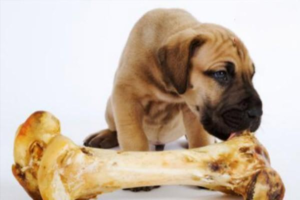
Should Dogs Eat Bones? How to Do It Safely
Vets often warn against bones because they are hard to digest and can block the gut, yet they also clean teeth, calm boredom, and add calcium. If you do give them, choose raw, large, non-hollow bones and avoid cooked poultry bones that splinter; cartilage, pressure-cooked bones, fish heads, necks, tails, frames, and pork fans are safer picks.

How to Care for a Postpartum Dog
After whelping, clean the mother, keep her warm, and support milk with nutritious soups and calcium; watch for lochia and metritis, avoid bathing, and protect puppies from a stressed or neglectful mother.
What happens if a 2-month-old dog eats adult dog food?
A 2-month-old eating adult food may cause: less nutrition than puppy food, leading to deficiency and poor development; a fragile puppy gut may get indigestion and diarrhea; and less calcium and phosphorus for bone growth, risking poor skeletal development. Feed proper puppy food chosen by growth stage.
How long does it take for a dog’s lost tooth to grow back?
If a puppy loses a baby tooth during teething, the adult tooth usually grows in about a month. From 4 months baby teeth shed and adult teeth grow over about 4 months, mostly done by 7 months. During teething give calcium and chew toys. If an adult tooth is lost, it will not grow back.

A Dog’s Nutritional Needs
Dogs need protein, fat, carbohydrates, vitamins, minerals, and water. Animal protein should lead the diet; fat and carbs are low-need (excess carbs cause diarrhea), and fiber must be limited. Aim for high-protein, low-carb, low-fiber food with lean meat.

What Types of Dog Food Are There?
Dog food is grouped by moisture—dry (most balanced, easiest), semi-moist (tasty but not a staple), and wet (smells good but risks tartar); by age—puppy, adult, and senior; and by purpose, such as weight control or activity level. Store dry food sealed in a cool, dry place with its bag, refrigerate leftovers wet food, and feed on a fixed schedule using dog food as the staple, switching brands gradually.

Why Won’t a Dog’s Ears Stand Up?
Whether a dog's ears stand up is mostly genetic; some naturally erect-eared breeds stand by about 3 months. Some never do. So a dog that won't stand usually lacks the gene or isn't old enough. Here are the reasons.