Search Results
37 results for “Dog Urinary Health”
Hydronephrosis in Dogs and Cats
Hydronephrosis is the buildup of urine in the kidney's collecting area when outflow is blocked, affecting one or both kidneys. Bilateral cases cause kidney failure and uremia, and trapped fluid can turn to pus if infected. Restoring urine flow early protects kidney function.

How to Care for a Senior Dog
Senior dogs need grooming help, proactive pain management for arthritis, vet-prescribed NSAIDs or other pain meds, and quality supplements (look for the NASC seal). Vet visits every 6 months after age 10 catch problems early. You and your vet are a team for a pain-free life.

The Benefits and Risks of Pumpkin for Cats and Dogs
Although cats and dogs are meat eaters, a sensible amount of plain pumpkin supports digestion, urinary health, weight control, and hairball passage. Served correctly, it's a safe, natural addition to many pets' diets.

Dog Foods That Boost the Immune System
Dogs thrive on meat but still benefit from certain fruits and vegetables. Ten common, nutrient-rich options — from cranberries to coconut oil — can support immunity, digestion, and long-term health when fed in the right way.
What happens if a Golden Retriever eats salty food?
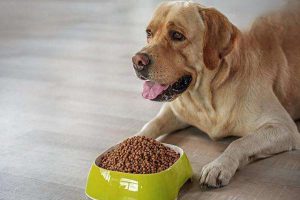
Salty food harms a Golden's health. Often eating salt burdens the kidneys and causes hypertension, kidney and urinary disease.
What is the tailless cat like?
The tailless cat is gentle, very friendly to humans and enjoys interacting and playing. It is intelligent and can learn commands like a dog, but its lifespan is only 10 to 15 years due to genetic defects causing arthritis and urinary issues. Care requires controlling diet and dental hygiene.
What happens if a small Teddy (Poodle) is kept in a cage all the time?
Constant caging harms physical and mental health: lack of socialization makes it withdrawn and timid. It also affects bone development and risks infection or urinary disease.

Meet the Siamese Cat: A 3-Minute Guide
The Siamese is an ancient palace cat from 14th-century Thailand (then Siam), weighing 8–14 lb for males and 6–10 lb for females, with pointed colors like seal, blue, lilac, chocolate, red, and cream. Its signature trait is temperature-sensitive fur: tyrosinase works faster when cold, so winter deepens the coat and age darkens it. Siamese are dog-like — clingy, energetic, curious, and talkative — and adapt well, making them a good choice for first-time owners.
Why Is My Chinchilla Peeing Outside the Litter Box?
Chinchillas may urinate in the wrong places for several reasons—bad habits, low mood, estrus, territorial marking, or an underlying urinary infection. Each cause needs a different response. The key first step is to clean any accident thoroughly so the scent doesn't train your pet to reuse the spot. Feeding on a fixed schedule keeps a hungry or unhappy chinchilla calm, while separating cages and considering neutering curbs marking during heat. If urination becomes frequent or the urine looks dark, a vet check rules out infection.
Foods You Should Never Feed Your Cat
Cat food is the safer choice over table scraps because it is balanced for a cat's needs, while homemade meals are hard to get nutritionally right. Some human foods are downright dangerous for cats. Allium vegetables - onion, scallion, garlic, leek - cause vomiting, diarrhea, anemia, and bloody urine, and the toxins survive cooking; avocado brings similar dangers and can be fatal. Chocolate causes diarrhea and vomiting and, in quantity, sudden death. Raw eggs can trigger diarrhea, skin, and eye problems (cooked is fine); shellfish can cause skin disease; and dog food lacks taurine, so long-term feeding leads to taurine deficiency. Milk and fish are okay in small amounts, but go easy on high-magnesium dried seafood to avoid stones.
- « Previous
- 1
- 2
- 3
- 4
- Next »