Search Results
7 results for “Dog Sanitation”

Campylobacteriosis in Dogs and Cats: Symptoms, Treatment, and Prevention
Campylobacteriosis is a reproductive and intestinal infectious disease of livestock and pets caused by Campylobacter (formerly Vibrio). In pets it mainly causes diarrhea; Campylobacter fetus (formerly Vibrio fetus) causes abortion and infertility in cattle and sheep.

Salmonellosis in Dogs and Cats (Paratyphoid): Symptoms, Treatment, and Prevention
Salmonellosis (paratyphoid) is an acute septicemic disease caused by Salmonella. Early signs are gastroenteritis (diarrhea, vomiting) that can progress to nosebleeds and bloody stools. It is zoonotic and can cause abortion in pregnant dogs and cats.

Colibacillosis (E. coli Infection) in Dogs, Cats, and Small Animals: Symptoms, Treatment, and Prevention
Colibacillosis is an intestinal infectious disease caused by certain pathogenic serotypes of Escherichia coli and their toxins. It occurs year-round and can affect animals of any age, posing the greatest threat to weaned youngsters.

What to Know About Dog Boarding
Boarding your dog can be stressful for both of you. This article covers how to choose a safe, well-run kennel, the health and vaccination requirements boarding facilities expect, and what to bring so your dog stays comfortable while you are away.
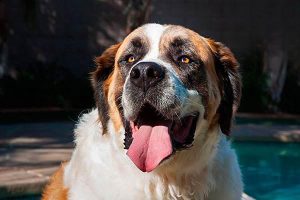
What to Do About Mites on Your Dog
The most common dog mites are ear mites, sarcoptic mange mites, and demodectic mites, each needing a targeted treatment. Prompt, precise medication plus thorough cleaning of the dog's bedding and environment is the foundation of a cure.

Canine and Feline Trichomoniasis: Symptoms, Treatment, and Prevention
Trichomoniasis is a protozoal parasite infection of dogs and cats, most often caused by Pentatrichomonas, that produces stubborn, mucoid, sometimes bloody diarrhea. It spreads through contaminated food and water and is managed with antiprotozoal therapy plus supportive care.

Canine Rotavirus Infection: Symptoms and Treatment
Rotavirus is an intestinal infection that mainly affects young puppies, causing diarrhea while adult dogs often show no symptoms. The virus sheds in feces and spreads by the oral-fecal route, and can pass between species, allowing it to persist in the environment.