Search Results
551 results for “Dog Health, Exercise”

What Causes Red, Swollen Eyes in Dogs
A healthy dog's eyes are clear and clean, so red, swollen, crusty eyes signal a problem. Causes range from harmless exercise flush and diet to trapped debris, infection, fight injuries, or tear-gland inflammation—only the last few need a vet's prescription.

Autumn Dog Care: Nutrition, Immunity, and Energy
As autumn cools, dogs grow their winter coat and need more coat-building nutrients — protein, fatty acids, B vitamins. Boost immunity with water and vitamins, and add energy-rich food (but not too much) to prep for winter.

A Complete Guide to Spaying or Neutering Your Cat
The best time to neuter is after sexual maturity, around 5 to 6 months, with a vet check and blood work first. Weigh the real benefits, fewer cancers and roaming, against risks like weight gain and anesthesia, and follow strict after-care to heal cleanly.

How to Feed and Raise a Puppy
Feed a puppy small meals about four times a day on a fixed schedule to protect its delicate stomach, and never use human milk — use a proper puppy formula mixed into soaked kibble. Keep vaccines on schedule (the first distemper/parvo shot around three months), balance food with short 15–30 minute outings, and let a new arrival settle in before feeding.
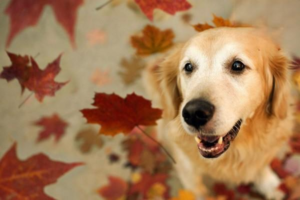
Why Is Your Golden Retriever Shedding?
Shedding in a Golden Retriever can be a mite or fungal skin problem (patchy), whole-body loss from over-bathing, salty food, or separation anxiety, or just normal seasonal coat blow. Match the cause — vet care for parasites, gentler grooming and diet for general loss, and extra brushing and nutrition during the molt.

How to Care for a Cavalier King Charles Spaniel
Cavalier King Charles Spaniels are gentle, food-loving, and need both steady nutrition and daily exercise to stay fit. Puppies need an early health check, a deworming plan, and a proper vaccination schedule — start around 2 weeks of age and follow up through adulthood.
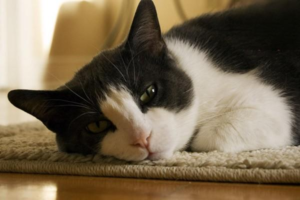
How to Feed a Cat Properly
Feed cats on a fixed schedule and spot with steady portions, and do not let them free-feed, since about 90 percent self-regulate but obesity still brings health trouble. Never give dog food to a cat, their protein and fat needs are far higher.

Pet Obesity: Causes, Risks, and Weight Control
Obesity means body weight roughly 30% over normal with excess fat, and it invites heart disease, arthritis, and diabetes while shortening life. Causes range from breed and hormones to overfeeding and too little exercise; the fix is less food, more movement, fewer treats, and balanced meals.

Decoding Cat Behavior
A cat's 'disgusted' face is the Flehmen response sniffing pheromones; purring eases pain and heals bone; a love-bite means 'stop'; cats know their name but often ignore it; and knocking things over is attention-seeking or hunting practice. Reading these cuts the confusion.

What to Keep in Mind When Raising a Puppy
A new puppy needs structure from day one: crate it at first for security, hold off on baths, and never feed bones. Wean it gradually onto softened puppy kibble with goat's milk, give it sunlight and gentle exercise, and stay on schedule with vaccines and deworming while shaping good behavior early.