Search Results
551 results for “Dog Health, Exercise”

Dog CoQ10 Buyer’s Guide: What Actually Makes a Product Work
CoQ10 supports heart-muscle energy and acts as an antioxidant, but a dog only benefits if the supplement actually contains a real, absorbable dose. With products ranging from a few dollars to several hundred and quality all over the map, the smart move is to judge a product by its label and testing — not by marketing or country of origin. This guide explains how to tell a working formula from an empty one and which dogs are most likely to need it.

Dog Panting After a Few Steps? Don’t Ignore Heart Trouble
A dog that pants heavily or struggles to breathe after only a short walk may be signaling heart disease rather than mere old age or extra weight. Key warning signs include a sudden drop in stamina, labored breathing at rest, blue-tinged gums, nighttime coughing, and lethargy. Early veterinary diagnosis and daily heart-care management can dramatically slow progression and extend your dog's life.

Lipomas and Liposarcomas in Dogs and Cats
Lipomas are common, usually benign fatty tumors made of fat cells that grow slowly under the skin and rarely cause problems. Liposarcomas are the malignant form and can invade and break down. Solid lipomas are removed surgically, with weight control helping recovery.

Hip Dysplasia in Dogs and Cats: Symptoms, Treatment, and Prevention
Hip dysplasia is a hereditary developmental disorder of the hip joint influenced by genetics and environment, common in large breeds such as shepherds and setters. Progressive laxity and deformity cause lameness, reluctance to rise, and a characteristic 'bunny-hopping' gait; management is conservative with weight control and pain relief, and surgery is considered case by case.

Elbow Dysplasia in Dogs and Cats: Symptoms, Treatment, and Prevention
Elbow dysplasia is a group of inherited developmental elbow joint diseases - ununited anconeal process, fragmented medial coronoid process, and osteochondritis of the medial humeral condyle - driven by genetics and rapid growth. It causes forelimb lameness, a reluctance to walk, and sometimes a crackling joint sound. Weight control, pain relief, and surgery in severe cases are the mainstays.
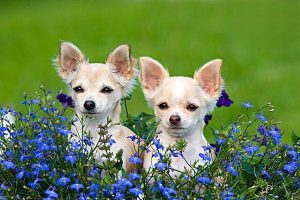
Patellar Luxation in Dogs and Cats: Symptoms, Treatment, and Prevention
Patellar luxation is displacement of the kneecap out of its trochlear groove, common in small breeds such as Toy and Pomeranian dogs and usually from a congenital conformational defect or trauma. It causes a sudden inability to extend the knee and a skipping, hopping gait that may self-correct. Mild cases are managed conservatively; severe ones need surgery.
Hip Dislocation in Dogs and Cats: Symptoms, Treatment, and Prevention
Hip dislocation is separation of the femoral head from the hip socket, usually from trauma such as a car accident, a fall, or a forceful pull on the hind limb. It causes a shortened, rotated leg and a hopping or dragging gait; it is corrected by closed or surgical reduction and strict rest, since it tends to recur.

When Your Dog Pants After a Short Walk: A Heart-Health Warning
Panting after brief exercise can be normal, but a formerly active dog that tires after a few steps, pants without exertion, coughs at night, or shows blue gums may have heart disease. Veterinary heart assessment and early care greatly slow progression.

Hyperlipidaemia in Dogs and Cats
Hyperlipidaemia is a metabolic disorder in which blood fats such as cholesterol and triglycerides rise above normal. It often accompanies hypothyroidism, diabetes or obesity, and is managed by correcting the underlying disease and feeding a low-fat diet.

Diabetes Mellitus in Dogs and Cats
Diabetes mellitus in dogs and cats is a disorder of insulin deficiency or resistance that causes persistently high blood sugar. Classic signs are excessive drinking, eating, and urinating with weight loss, and treatment centers on diet, insulin or other glucose-lowering medication, and monitoring.