Search Results
551 results for “Dog Health, Exercise”
Early Warning Signs of Heart Disease in Dogs
Heart disease isn’t only an old-dog problem—clinics see four- and five-year-olds, even two-year-olds, with valve disease or myocardial hypertrophy, especially in small breeds like Toy Poodles and Pomeranians. Early on there are almost no symptoms; by the time coughing, fainting, or a purple tongue appears, the disease is usually advanced. Under the ACVIM staging system, Stage B1 is the “golden window” most owners miss: subtle structural changes with no heart failure yet, showing only quiet behavioral shifts like less activity or a changed sleeping posture. Catching it then—often without medication—can keep a dog stable for life. This article outlines the staging, the early behavioral signs, and the daily care that protects a vulnerable heart.

Why Is My Dog Dry Heaving?
Dogs dry-heave for many reasons, from a foreign object or irritation in the throat to parasites, indigestion, too much exercise, or illnesses like kennel cough and distemper. If a stuck object or irritation is the cause, removing it usually stops the heaving at once. When dry heaving comes with other signs such as fever, coughing, lethargy, or loss of appetite, see a veterinarian promptly to find and treat the underlying cause. Regular deworming and vaccination are the best long-term protection.

Are Teacup Dogs Easy to Care For?
Teacup dogs win fans with their tiny, cute looks and gentle nature, but they're fragile and low-immunity, so they need careful, attentive care. They're sensitive to temperature, so dress them warmly in cold weather, and keep up daily grooming—eye-stain cleaning and coat brushing—to stay clean. Feed a high-quality diet sized to them in controlled amounts to avoid obesity. Though small, their health needs are real: regular vet checks, vaccinations, and deworming are essential. With patience and the right know-how, they bring plenty of joy.

What to Do If Your Dog Is Too Thin?
A thin dog is most often undernourished, but disease, digestion problems, tumors, or parasites can also cause weight loss that needs veterinary attention. Start with a high-quality, balanced diet suited to the dog's age and activity, add easily digested protein such as cooked chicken, fish, or egg, and feed smaller meals more often to improve absorption. Light daily exercise boosts appetite and metabolism. If good feeding and exercise do not help, or the dog is naturally a slender breed but otherwise healthy, a vet check rules out hidden illness.

How to Treat a Neck Sprain in Dogs
If your dog unfortunately suffers a neck sprain, get it to a veterinarian or emergency pet clinic right away. The vet will choose a treatment based on how severe the injury is, commonly using medication, physical therapy, or surgery. After treatment, the dog usually needs a rest period at home to recover fully, and you should follow the vet's advice for care. Neck sprains can happen from jumps, falls, sudden turns, or pulling too hard on a leash and tight collar. This article explains why sprains occur, the immediate steps to take, and the daily habits that help prevent them.

Symptoms and Treatment of Intussusception in Dogs
Intussusception in dogs shows up in many ways, including loss of appetite, vomiting, abdominal pain, and diarrhea. Without timely treatment, the symptoms worsen as the condition progresses. Severe cases may bring intense abdominal pain, frequent vomiting, a swollen belly, abnormal posture, and intra-abdominal bacterial infection. Mild intussusception can often be corrected with air-enema reduction, while serious cases require surgery. This article details how to recognize the signs, the treatment options available, and the preventive steps that lower the risk of this serious digestive emergency.

Why Is Your Dog Gasping or Breathing Rapidly?
Occasional rapid breathing or gasping is normal after exercise or in heat and settles quickly. But it can also signal disease: respiratory infection, a blocked esophagus, tracheal stenosis, or heart problems. If it is frequent or lasts long, see a veterinarian. Prevent issues by keeping air fresh, grooming and deworming regularly, avoiding smoke and strong odors, and scheduling routine checkups.

Can Dogs Eat Ice Cream?
Dogs can technically eat a tiny bit of plain ice cream, but it's rarely a good idea. Most adult dogs are lactose intolerant, so the milk sugar ferments in the gut and causes diarrhea and vomiting; the cold shock also cramps the stomach. Ice cream is also high in sugar and fat, and any variety containing xylitol, chocolate, cocoa, or grapes is toxic. If your dog loves frozen treats, offer a homemade mix of unsweetened yogurt with pumpkin or banana, or a pet-store dog ice cream—in strict moderation, once or twice a week at most.
Don’t Ignore Joint Pain in Your Cat or Dog
Joint pain is not 'just old age.' From limping and hesitant jumps to morning stiffness and a short temper when touched, pets signal discomfort in quiet ways. Catching it early protects mobility and comfort. Learn the warning signs, why joints degrade, and the practical steps—weight, exercise, and veterinary care—that keep your companion moving.
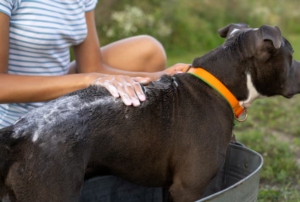
How Often Should You Bathe Your Dog in Summer?
Bathing your dog once a week is usually too often. A dog's skin relies on its sebum layer to stay moist and protected; over-bathing strips it, causing dryness, worse odor, and skin infections. Frequency should follow coat type and lifestyle—indoor small dogs may need only every two to three weeks, while active outdoor dogs can go weekly. Between baths, wipes, toothbrushing, and ear care keep odor down.