Search Results
87 results for “Dog Eye Health”
Why Dogs Need Vaccinations
Puppies are vaccinated around two months, after the vet checks temperature and recent health to be sure the body can handle the stress. Mild reactions are normal: some diarrhea, vomiting or low spirits for a day or two - keep water available, do not force food, and add probiotics. Serious signs like itchy skin, facial swelling or red eyes mean allergy and need an anti-allergy shot, so observe at the clinic before leaving. High fever, blood in urine or seizures may mean the dog was already unwell; see a vet at once. Keep the dog warm, calm and away from others, and follow the schedule - first shots about a month apart, then yearly.
Why Are Your Dog’s Eyes Red and Swollen?
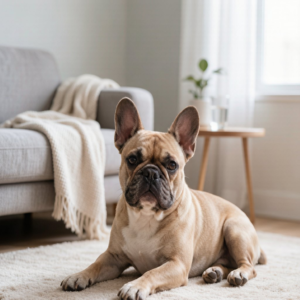
Dogs are nearsighted and see few colors, but their eyes still reveal a lot about their health. Red, swollen eyes can come from something simple like a speck of dust or shampoo, an allergy to food or the environment, or infection by bacteria, fungus, or parasites after a scratch or fight. Built-in problems also play a role: eyelid malformation (entropion or ectropion) and misdirected lashes rub the eye and cause chronic irritation. Because redness can also signal illness such as a cold or distemper, a vet check is wise when signs persist.
How High Blood Pressure Affects Dogs
High blood pressure harms a dog's eyes, heart, kidneys, and nervous system. It can cause retinal damage and vision loss, heart enlargement and failure, kidney failure, and stroke or paralysis. Owners should watch for signs and see a veterinarian, who may measure blood pressure and suggest a low-salt, low-fat diet or medication. Risk rises with obesity, age, genetics, diabetes, thyroid or kidney disease, and stress. Prevention includes regular checkups, a healthy weight, calm surroundings, and daily exercise.
How to Tell If Your Cat or Dog Has Glaucoma
Glaucoma is a common eye disease in cats and dogs where blocked fluid drainage raises eye pressure, damages the optic nerve, and can end in blindness. It always comes with high eye pressure. Signs include a cloudy or enlarged eye, a fixed dilated pupil, vision loss, redness, and head pressing. Diagnosis uses eye-pressure and fundus exams, and treatment ranges from pressure-lowering drugs to, in severe pain, removal of the eye.
Why Does My Dog Have Bad Tear Stains?
Tear stains form when tears (water plus salts and protein) evaporate and leave dark-brown marks—and they can signal health trouble, not just looks. Causes: poor eye cleaning (dust, smoke irritation), ingrown eyelashes from eyelid inward-rolling (needs vet care), unclean ears (mites or bacteria stimulate tear glands), and oily or salty food (switch to low-salt natural kibble and more water). Some breeds (Pekingese, Chihuahua, Pug) have genetic over-tearing from bulging eyes; severe cases may need a tear-duct opening surgery. Disease (blocked ducts, tear-gland inflammation) needs a vet. Daily: gentle cleaning, trim surrounding hair, light eye massage a few times a week, and a bland diet.
Is a Pet Health Check-Up Really Necessary?
Like human screenings, pet check-up prices vary by region, and yes, it's an extra cost—but it's not wasted money. A check-up includes an external exam (eyes, ears, mouth), bloodwork (inflammation, infection, anemia, organ function), radiology (bones and organs), fecal testing (parasites), and urinalysis (urinary tract; in older cats it also shows kidney health). Cats and dogs have limited lifespans and often develop multiple diseases in old age, so early detection changes the outcome. Schedule a first exam at about 30 days old, yearly for seniors, and roughly every two years for healthy adults. Always use a proper veterinary clinic.

What Are a Dog’s Social Behaviors?
Dogs rely on a rich set of social behaviors to communicate and bond with one another. Their primary channel is scent: by sniffing each other's hindquarters, ears, and tails, dogs read information about age, sex, health, and social status, then decide whether to be friendly or hostile. They also use body language—eye contact, vocalizations, and posture—to express emotion and intent. Play behaviors like chasing, mock biting, and mutual sniffing build social skills and trust, while some clever dogs even share food to signal friendship and deepen bonds. Understanding these behaviors helps owners read their dog's social world.
How can you tell if a dog is healthy?
A healthy dog has clear, bright eyes (a little discharge is fine, but no severe tear stains, redness, or cloudy conjunctiva), medium-firm yellow or brown stools with a clean anus, a slightly moist nose, odorless ears, a dense smooth coat, and pink smooth skin — plus good energy, a strong appetite, and alertness.
Senior Dog Vision Fading? Foods That Protect the Eyes
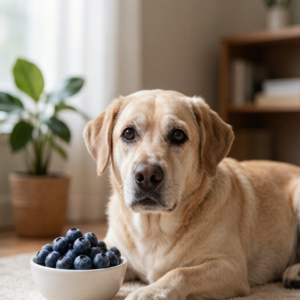
Eye disease is common in dogs—conjunctivitis, keratitis, glaucoma, cataracts—and over half of dogs past ten develop cataracts. Diet can slow that decline. Vitamin A from liver and carrot supports night vision; antioxidants like lutein, vitamins C and E, and anthocyanins guard the retina; omega-3 from fish eases dryness. Avoid overdoing vitamin A or raw food, and get seniors checked yearly.

Can You Bathe Your Dog in Winter? Yes—With These 3 Points
Winter bathing isn't forbidden—it's about method. Bathe too often or not at all both cause problems, and human products harm a dog's skin. Choose the warmest midday hour, preheat the room to 25–28°C, keep the whole wash to 10–15 minutes at 38–40°C water, then dry thoroughly. Rest indoors an hour or two before going out, and a warm, clean coat keeps your dog healthy and close to you.