Search Results
332 results for “Dog Exercise”
Canine Hip Dysplasia: A ‘Destiny’ for Large Breeds?
Hip dysplasia is a hereditary joint fault where the ball and socket fit poorly, loosening the joint and eventually causing arthritis. Large breeds like Golden, Lab, and Shepherd are most at risk. Early signs are subtle—occasional hind-limb limping, slow rising, reluctance on stairs—while advanced cases show a swaying gait and muscle loss. X-rays and PennHIP confirm it; weight control, gentle exercise, joint supplements, and vet-guided pain care slow its course.

Thinking of a Golden Retriever? Know This First
The Golden Retriever is smart, gentle, and friendly, and with training can work as a guide or search dog. But it sheds heavily, drools, has a strong odor, eats a lot, and needs at least 1–2 hours of exercise daily or it turns anxious and destructive. It's also prone to hip dysplasia, obesity, ear infections, and eye disease. Know the real commitment before you bring one home.

Is the German Shepherd Suitable for First-Time Owners?
The German shepherd is generally not ideal for beginners. It is highly intelligent and active but can be challenging without solid knowledge and experience, and it needs firm, patient training plus proper socialization. Owners must commit real time and energy to exercise and mental stimulation, understand its inherited risks such as eye disease and hip dysplasia, and provide a safe home where all family members get along with the dog. Calmer, easier breeds suit first-timers better.
The ten downsides of owning a German Shepherd
Intimidating looks, city bans, high exercise needs, scavenging, short lifespan, heavy shedding, strong odor, drooling, hereditary issues, and possible aggression if untrained.
Pet CoQ10 Red/Black List Thinking: Reading the Test Data
About 10% of dogs and 7% of cats develop heart disease in their lifetime, and the early signs are easy to mistake for normal aging or a cold — until diagnosis, when the damage is often irreversible. CoQ10 is frequently advised, but 'which one' is the hard part. This guide separates the real science from the marketing: what CoQ10 actually does, the drug it cannot replace, and the four hard metrics a product should meet.
Reading CoQ10 Test Data: What ‘Proven’ Should Mean
With so many CoQ10 products making bold claims, the only fair way to choose is to ask three questions: are the ingredients safe, is the content sufficient, and is there authoritative data behind the effect? This guide explains what genuinely 'proven' looks like, what a deeper formula contains, and why the right physical form matters as much as the formula for real-world feeding.
Is Pet CoQ10 Worth It? Separating Real Value from Hype
CoQ10 is sometimes dismissed as a placebo and sometimes praised as a lifespan extender — the truth is in between. Research and owner experience support a real role in heart-cell energy and antioxidant protection, but a large share of products on the market are mislabeled, so 'buying CoQ10' and 'buying one that works' are different things. This guide explains the evidence, the mislabeling problem, and how to judge true value rather than price alone.
Why is a Samoyed often a poor fit for women?
Samoyeds are large, and many women are petite and simply can't control such a big dog; they're high-energy and chew up the home when left alone, which neat owners hate. They need 1-2 hours of outdoor exercise morning and evening - hard for many women to provide - and their big appetite plus long coat (regular grooming) makes upkeep costly.
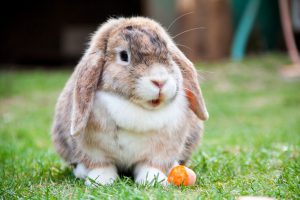
Lop Rabbit
The Lop Rabbit — one of today's most popular pet rabbits — is named for its ears that hang down. Gentle, small, and people-friendly, it is short-lived (usually 5–7 years) and heat-sensitive, needs daily grooming of its dense coat and drooping ears, and must never be picked up by the ears.

LionHead Rabbit
The LionHead Rabbit is a small, gentle pet rabbit named for the ruff of long fur around its head that looks like a lion's mane. Originating in Belgium and bred in the Netherlands and US, it is sturdy and clean, needs daily coat care and a wire-free cage, and lives 5–7 years.