Search Results
268 results for “Dog Exercise”
Causes and Treatment of Gastric Torsion in Dogs
Gastric torsion, or bloat, is a dangerous emergency seen most in large breeds like German Shepherds and Great Danes, though any dog can be at risk, and it can be fatal without fast treatment. It often starts with overeating or eating too fast, which inflates the stomach; if the dog then exercises vigorously, the full stomach can twist. Swallowing excess air while eating and factors like age, genetics, odd gut anatomy, and changes in abdominal pressure also contribute. Watch for vomiting, a swollen belly, trouble eating, and a hunched back, and rush to a vet at once; keep the dog calm while you get help. Treatment is usually surgery to untwist the stomach and repair the wall, which is stable and rarely recurs, with medication, fluids, and shock care for milder cases. Prevention matters most: feed several small meals instead of one large one, use a slow feeder for fast eaters, and avoid hard exercise right after eating.
What Are the Symptoms of Hip Dysplasia in Dogs?
Hip dysplasia is a common inherited joint disease in dogs in which the hip socket and ball do not fit or wear normally, causing pain, limited movement, and falling comfort. Left unchecked it can worsen to disability. Typical signs include reluctance to run, climb stairs, or exercise; joint swelling after activity; pain shown by difficulty lying down or whimpering; muscle loss from moving less; a limp or bunny-hopping gait; and a grinding sound from the joint during motion. Mild cases are managed conservatively with weight control, limited strenuous exercise, joint supplements, and physical therapy such as massage, heat, or cold packs. Medications like anti-inflammatories, pain relievers, and cartilage repair drugs ease symptoms. Severe cases may need surgery, including hip replacement or femoral head removal, to restore comfort and function. Knowing the signs helps owners act early and care for their dog well.

What to Do If Your Dog Is Too Thin?
A thin dog is most often undernourished, but disease, digestion problems, tumors, or parasites can also cause weight loss that needs veterinary attention. Start with a high-quality, balanced diet suited to the dog's age and activity, add easily digested protein such as cooked chicken, fish, or egg, and feed smaller meals more often to improve absorption. Light daily exercise boosts appetite and metabolism. If good feeding and exercise do not help, or the dog is naturally a slender breed but otherwise healthy, a vet check rules out hidden illness.

How to Treat a Neck Sprain in Dogs
If your dog unfortunately suffers a neck sprain, get it to a veterinarian or emergency pet clinic right away. The vet will choose a treatment based on how severe the injury is, commonly using medication, physical therapy, or surgery. After treatment, the dog usually needs a rest period at home to recover fully, and you should follow the vet's advice for care. Neck sprains can happen from jumps, falls, sudden turns, or pulling too hard on a leash and tight collar. This article explains why sprains occur, the immediate steps to take, and the daily habits that help prevent them.

Symptoms and Treatment of Intussusception in Dogs
Intussusception in dogs shows up in many ways, including loss of appetite, vomiting, abdominal pain, and diarrhea. Without timely treatment, the symptoms worsen as the condition progresses. Severe cases may bring intense abdominal pain, frequent vomiting, a swollen belly, abnormal posture, and intra-abdominal bacterial infection. Mild intussusception can often be corrected with air-enema reduction, while serious cases require surgery. This article details how to recognize the signs, the treatment options available, and the preventive steps that lower the risk of this serious digestive emergency.
Why Is Your Dog Gasping or Breathing Rapidly?
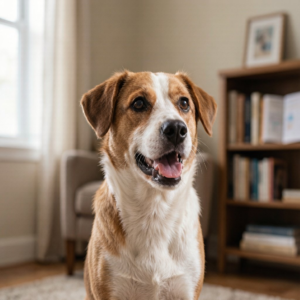
Occasional rapid breathing or gasping is normal after exercise or in heat and settles quickly. But it can also signal disease: respiratory infection, a blocked esophagus, tracheal stenosis, or heart problems. If it is frequent or lasts long, see a veterinarian. Prevent issues by keeping air fresh, grooming and deworming regularly, avoiding smoke and strong odors, and scheduling routine checkups.

Can Dogs Eat Ice Cream?
Dogs can technically eat a tiny bit of plain ice cream, but it's rarely a good idea. Most adult dogs are lactose intolerant, so the milk sugar ferments in the gut and causes diarrhea and vomiting; the cold shock also cramps the stomach. Ice cream is also high in sugar and fat, and any variety containing xylitol, chocolate, cocoa, or grapes is toxic. If your dog loves frozen treats, offer a homemade mix of unsweetened yogurt with pumpkin or banana, or a pet-store dog ice cream—in strict moderation, once or twice a week at most.

What Causes Periodontitis in Dogs?
Periodontitis is a common and painful dental disease in dogs, driven by a mix of physical, fungal, bacterial, and metabolic factors. Physical causes include chewing on fish bones, wire, or other sharp objects that injure the mouth, while fungal infections such as Candida or Blastomyces and bacterial overgrowth can trigger necrotizing ulcerative gingivitis. Metabolic problems like diabetes, kidney disease, dehydration, and hypothyroidism also raise the risk. Affected dogs show bad breath, drooling, swollen or receding gums, loose teeth, and sometimes pus. Diagnosis combines an oral exam with dental X-rays, and treatment requires professional cleaning or extraction under anesthesia plus ongoing home dental care.
Don’t Ignore Joint Pain in Your Cat or Dog
Joint pain is not 'just old age.' From limping and hesitant jumps to morning stiffness and a short temper when touched, pets signal discomfort in quiet ways. Catching it early protects mobility and comfort. Learn the warning signs, why joints degrade, and the practical steps—weight, exercise, and veterinary care—that keep your companion moving.
How Often Should You Bathe Your Dog in Summer?
Bathing your dog once a week is usually too often. A dog's skin relies on its sebum layer to stay moist and protected; over-bathing strips it, causing dryness, worse odor, and skin infections. Frequency should follow coat type and lifestyle—indoor small dogs may need only every two to three weeks, while active outdoor dogs can go weekly. Between baths, wipes, toothbrushing, and ear care keep odor down.