Search Results
40 results for “Dog Behavior, Safety”

How to Show Your Dog You Love It (in a Language It Understands)
Dogs may not speak, but their emotional world is rich. Brain-imaging work at Emory University shows a dog's brain reacts to its owner's voice and scent in areas similar to where humans process emotion, so your affection is a real signal your dog can feel. You can speak its language through soft eye contact (which raises oxytocin in both of you), calm pressure-petting, high-engagement play, frequent praise, leaving a scented item in its bed, and keeping a predictable routine. These small daily acts lower stress and deepen the bond far more than words alone.
What are the five big mistakes new dog owners should avoid?
New dog owners often make avoidable mistakes: skipping deworming, skipping vaccinations, over-bathing, feeding toxic human foods, and keeping the dog confined indoors. These habits can seriously harm a dog's health.

Why Dogs Twitch and Jerk in Their Sleep
Dogs sleep a lot - puppies up to 22 hours, adults 10-18. Sleep has light and deep phases: in light sleep a dog lies with its head on its paws, one ear to the ground, easily startled; in deep sleep it relaxes, twitches its legs, flops on its back and may whimper. The famous 'playing dead' jerk is just a startle reflex - a light-sleeping dog checks the environment at any noise, while deep sleep is broken only by strangers or loud sounds, and waking it then earns its annoyance. Chronic stress from illness blocks restful sleep and causes behavior problems, and long-term sleep loss weakens immunity. Never prank a sleeping dog.

How to Train a Siberian Husky
The Husky, or Siberian Husky, is an ancient breed from northeast Siberia and southern Greenland. Its name comes from its unique hoarse bark.
How Strong Is the Labrador Retriever’s Fighting Ability?
The Labrador Retriever's fighting ability is not especially strong. As a hunting and guide dog, it is generally seen as friendly, intelligent, loyal, and gentle rather than a fighting breed, and it usually does not attack people or other animals on its own.
What are the signs of extreme fear in a Teddy (Poodle)?
A Teddy bear poodle showing extreme fear may tremble violently, tuck its tail, huddle its body, hide alone in a corner, and bark incessantly, and may even become aggressive. Some dogs dart around frantically looking for safety, hide under furniture, lose bladder or bowel control, or leak anal gland fluid.

How to Stop a Puppy from Barking: 6 Useful Tips
A puppy barks for a reason — separation anxiety, excess energy, fear, excitement, attention-seeking, or discomfort — so the first step is to find the cause. Once you know why, you can act on it: tire the dog out with walks and play, ignore demand-barking until it quiets, build a safe den for insecure pups, and train alone-time for separation anxiety.

Does Your Cat Know You’re the One Caring for It?
Cats definitely know who feeds and cares for them. Through consistent feeding, grooming, and play, they link your face, voice, and scent to survival needs like warmth and safety. A 2019 University of Tokyo study found cats turn their ears and dilate pupils faster for their owner's voice than a stranger's—proof the brain flags you as important. Cats show recognition subtly: cheek-rubbing, belly displays, midnight purring, and tracking your location. To strengthen the bond, build a feeding ritual, respond to their overtures, and avoid 'emotional neglect'—cats cared for by rotating family members grow less attached. A stable caregiver builds the security they need.
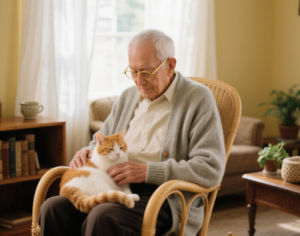
Why Are Cats Raised by Elderly Owners So Calm and Obedient?
Cats kept by elderly owners often seem gentler and more obedient than the lively pets raised by younger people, and the reason is rooted in pet behavior science. Cats love calm, predictable routines, and an older person's slow, regular daily rhythm gives them a sense of safety that lowers their guard. Seniors also provide the 'effective companionship' cats value most—short, low-intensity interactions like petting and soft talk scattered through the day—rather than infrequent marathon play sessions. On top of that, elderly owners tend to be gentle yet consistent: they neither shout nor overindulge, setting clear rules while offering unconditional acceptance. This calm, secure environment lets a cat relax and show its sweetest side.

Causes of Feline Phobias
Fear is a normal response to threatening stimuli, but when it becomes excessive and irrational it crosses into phobia. This article explains the possible triggers of feline phobias, how they develop through innate and learned pathways, the sensitive period of kitten socialization, and how to prevent fear from becoming a lifelong problem.
- « Previous
- 1
- 2
- 3
- 4