Search Results
850 results for “Disease spread”

What Diseases Does the FVRCP Cat Vaccine Prevent?
The FVRCP vaccine, commonly called the cat triple vaccine, protects against three contagious feline diseases: feline viral rhinotracheitis (FVR), calicivirus (FCV), and panleukopenia (FPV, or feline distemper). It greatly lowers infection risk but is not a full guarantee. Kittens can start at eight weeks, need two to three shots three to four weeks apart, and then an annual booster. Sick or pregnant cats should not be vaccinated.

Five Rare Cat Diseases Every Owner Should Know
Most cat illnesses are familiar, but a few rare conditions can catch owners off guard. From contagious mites and bizarre allergic behavior to the much-feared FIP, hormone-driven acromegaly, and a mysterious nervous-system disorder, these diseases are uncommon yet serious. Knowing the warning signs helps you seek the right diagnosis before a rare illness becomes untreatable.

Preventing Common Spring Cat Diseases
Spring raises two risks. Urinary disease peaks in damp weather, driven by low exercise and water intake; watch for straining and act fast to avoid acute kidney failure. Colds strike with big day-night temperature swings; keep cats warm, dry, and sheltered from drafts, and seek care if they refuse food with a high fever.

6 Common Cat Diseases and How to Prevent Them
Cats hide pain well and can't tell you what's wrong, so owners need a basic grasp of common feline illnesses. Beyond regular checkups and vaccines, know the warning signs of the six frequent problems: urinary tract disease, respiratory infection, periodontal disease, parasites, ringworm, and ear mites. This guide summarizes each condition's symptoms and the everyday prevention that matters most—more water, less stress, dental care, deworming, and a clean, dry environment.

Can Water Mold Disease in Turtles Be Avoided? (Causes & Prevention)
Water mold disease is preventable. Although Saprolegnia is widespread in water, its presence alone does not cause the disease—infection requires a wound. A healthy, uninjured turtle will not get water mold, so the key is good husbandry: smooth enclosures, regular sunlight, balanced nutrition, and clean water. Early signs include gray-white spots and white fuzzy growths on the skin and shell; untreated, the disease progresses to swelling, ulcers, appetite loss, and death.

How to Treat and Prevent Water Mold Disease in Turtles
Water mold disease (saprolegniasis), caused by Saprolegnia and Achlya fungi, is a common illness in aquatic turtles that usually strikes during overwintering and spring. Infected turtles may lose appetite, grow weak, and develop gray-white patches and fuzzy white growths on the skin; severe cases lead to emaciation, swelling, skin ulcers, and even death from exhaustion. Because the fungus is widespread in water and hard to eliminate, prevention focuses on keeping the turtle injury-free, maintaining water temperature around 28–30°C, and providing regular sunlight. If infection occurs, dry-docking the turtle with short daily soaking, applying povidone-iodine for disinfection, and using a pet-safe antibacterial ointment on affected areas can aid recovery.
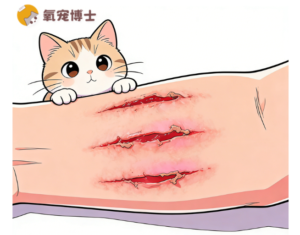
Cat Scratch Disease: A Zoonosis You Should Know
Cat scratch disease is a bacterial infection from Bartonella henselae, passed mainly by a cat's scratch or bite. Cats carry it without symptoms, but people can develop a red bump, swollen lymph nodes, and fever. Most cases are mild and self-limiting, yet antibiotics help when symptoms are strong. Wash any scratch well, and see a doctor if signs appear—especially for children and the immunocompromised.

Should You Shave a Dog With Skin Disease?
Whether to shave a dog with skin disease depends on the cause. Fungal ringworm, mange mites, severe inflammation and eczema often benefit from clipping so medicine reaches the skin and the area stays clean and observable. But allergy- or hormone-driven skin problems do not improve with shaving and may even weaken the skin's defences. Always have a vet examine the dog under a microscope first, then treat the cause, and keep the environment cleaned with disinfecting tools.

Common Urinary Tract Diseases in Rabbits
Rabbits often face urinary infections, urethral stones, and bladder stones, mostly from bacteria, low water intake, or too much calcium, while unspayed females are prone to uterine cancer. Infections show as incontinence and leaking; stones cause painful urination, blood, curling, teeth grinding, and can fully block the urethra. Bladder stones need fluid flushes and repair; urethral stones require surgery; uterine cancer needs tumor removal plus medication. Lower the risk by spaying early, keeping the habitat clean, ensuring ample water, and balancing the diet to avoid excess calcium.
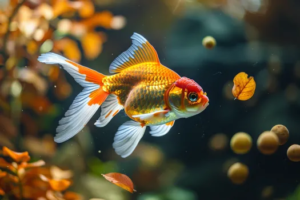
4 Common Goldfish Diseases and How to Treat Them
Goldfish commonly face white spot disease, pinecone (dropsy) disease, print disease, and hemorrhagic disease. Lower the risk with good, stable water quality, steady temperature, and avoiding stress and physical injury. Keep water clean with regular changes and enough oxygen, and adjust temperature with the weather. Healthy water is the foundation of goldfish health.