Search Results
850 results for “Disease spread”

Does a Dog’s Tongue Carry Bacteria?
A dog's mouth and tongue do carry bacteria, some of them drug-resistant, picked up from everything it licks and eats. Good oral hygiene and a clean home keep the risk low for both dog and owner.

What Causes Parvovirus in Dogs
Parvovirus is a severe, highly contagious gut disease in dogs that spreads by contact with infected feces, blood, food, or air, especially in parks and kennels. Puppies show vomiting and diarrhea that can turn bloody, so fast vet care and rehydration are key.

Can Canine Distemper Be Cured?
Canine distemper is a highly contagious viral disease with over 50% mortality, but caught early it is often treatable. Symptoms move from mild fever and diarrhea to severe eye and nerve damage, so any suspected case needs immediate veterinary care.

Schnauzer With Bumps and Scabs on the Skin
Bumps and scabs on a Schnauzer's skin usually point to a parasite problem or a fungal or bacterial infection. Small affected areas can often be managed at home with gentle cleaning and a vet-recommended spray, but widespread or worsening lesions need a vet visit.
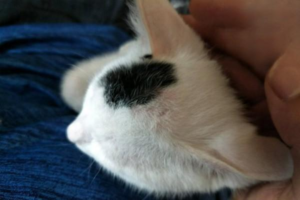
What Those Hard Lumps on a Kitten’s Head Mean
A hard, painless white lump on a kitten's head that neither grows nor fades is often a sign of ringworm. Ringworm comes from contact with fungi like Microsporum canis or Trichophyton, thriving in damp, dirty places. It causes scaly spots and hair loss, is contagious to people, and needs vet care plus topical antifungal ointment and good hygiene.
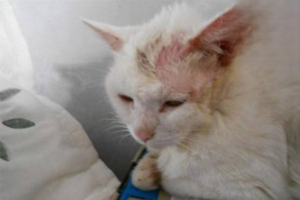
What to Do When a Kitten Has Ringworm
Ringworm is a fungal, contagious skin disease that can pass between cats and people, so isolate and disinfect at once. It shows as circular scaly patches and hair loss on the body, head, legs, and tail, with relentless itching. Treatment is shaving, topical medication, an Elizabethan collar, and a clean, well-ventilated environment plus good nutrition.
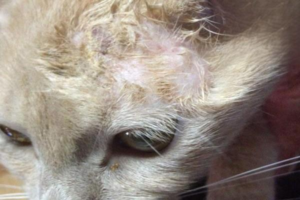
How to Make Ringworm (Cat Fungus) Heal Faster
Cat ringworm is a common fungal skin disease, usually from poor grooming and a dirty environment, causing intense itching and patchy hair loss. Treatment combines shaving and medicated baths with topical antifungals and oral medication for faster recovery. Prevention hinges on cleanliness, sunlight, good nutrition, and not over-bathing.

How to Treat Red Bumps on a Labrador
Red bumps on a Labrador usually come from mites, fungal infection, vitamin deficiency, or poor coat care — not random, and good hygiene prevents most. Treat the specific cause, feed a bland diet, keep the dog cool and the environment disinfected, and see a vet for widespread bumps.

Why Your Corgi Has Red Bumps
Red bumps on a Corgi usually signal folliculitis caused by bacteria, fungus, or Demodex mites. Keeping the coat clean, the living space dry, and the dog away from infected dogs prevents most outbreaks.

What Causes Fungal Infections in Dogs
Fungal skin infections in dogs are driven by damp living conditions, poor bathing habits, and weak immunity from a limited diet. Spotting the ring-like patches early, applying antifungal care, and isolating the dog keep the infection from spreading to other pets and people.