Search Results
850 results for “Disease spread”
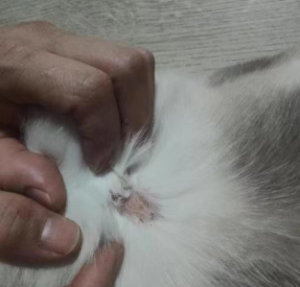
A Cat Ringworm Case: Diagnosis and Treatment
A 5-month Ragdoll with an oval bald patch, scales, and mild crusting on the neck turned out to be ringworm—confirmed by a Wood's lamp and typical signs. Treated with fur-clipping, cleaning, an antifungal spray and ointment, vitamin B, and an E-collar, he improved within a week. The case shows why vet confirmation and full-course treatment matter.

Does Abdominal Fluid in Cats Always Mean FIP?
Fluid in a cat's abdomen, or ascites, is a sign—not a diagnosis. It can stem from liver or heart disease, kidney failure, malnutrition, or peritonitis caused by infection, viruses, or injury, and only one of those causes is feline infectious peritonitis (FIP). Because the symptom alone cannot confirm FIP, diagnosis needs bloodwork, imaging such as X-ray or ultrasound, and viral testing. If your cat shows a swollen belly, lethargy, fever, or breathing trouble, see a veterinarian promptly to find the real cause.
Cat ‘Garlic-Clove’ Coat vs. Dirty Fur: How to Tell Them Apart
A 'garlic-clove coat' is a cat-lover's term for fur that parts into neat, clove-like segments — a sign of dense, healthy undercoat on a slightly plump cat, borrowed from the fur industry's 'garlic-clove fur.' It feels smooth and springs apart with a light rub, usually along the neck, back, and sides. Genuinely dirty or oily fur, by contrast, clumps in greasy, sticky strands near the paws, belly, or tail tip. A garlic-clove coat signals good nutrition (but possibly excess weight), while real dirt needs a bath. Keep the coat lush with high-protein food, B vitamins, fish oil, and regular brushing.

How to Safely Cuddle Your Cat and Stay Healthy
Cuddling and nuzzling a cat - playfully called "sniffing the cat" - is a way owners show affection, and cats are uniquely cuddle-friendly because they barely smell. Unlike dogs, whose whole-body sweat glands make them rank without baths, a cat's scattered glands and constant self-grooming, plus sunbathing that kills bacteria, leave little odor. But close contact is not risk-free: diseases in cat feces or on the coat can pass to people. These include toxoplasmosis, cryptosporidiosis, and roundworm (mostly a kitten worry), plus Q fever from Coxiella burnetii, flea-driven skin allergies, and rarely rabies or hepatitis. Enjoy the cuddle, but wash up after, keep indoor cats' litter clean, and be extra careful if you are pregnant or unwell.
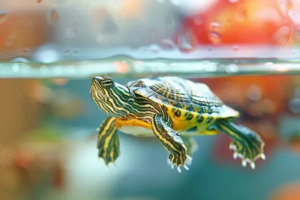
Which Turtles Are Cheap and Easy to Keep?
Popular pet turtles that are both affordable and easy include the Chinese pond turtle, red-eared slider, painted turtle, Burmese tortoise, yellow-spotted side-neck, Mississippi map turtle, flame turtle, mud turtle, and musk turtle. They resist disease and suit beginners. The Chinese pond turtle is native, interactive, and trainable; the red-eared slider is cheap, easy, and long-lived beyond twenty years; the yellow-spotted side-neck is colorful but needs a heater above 30 degrees as a tropical species.

Common Causes of Coughing in Dogs
Coughing in dogs most often points to a problem in the respiratory system, but it can also come from heart disease, infectious illness, a swallowed object, or even a fracture. Watching the type of cough - wet, dry, weak, or continuous - and noting whether the dog also loses appetite, runs a fever, or has nasal discharge helps you and your vet pin down the cause. A wet cough with phlegm suggests airway disease, a harsh dry cough may be kennel cough, a weak cough can mean pneumonia, and a repeated dry cough may signal heart trouble. Many conditions from roundworms to heart failure, tracheal collapse, pneumonia, and distemper can all show up as coughing, so persistent or severe cases deserve a veterinary check.

What Is Canine Bordetellosis
Canine bordetellosis is a chronic respiratory infection of dogs caused by Bordetella bronchiseptica. It spreads through the air in crowded or poorly ventilated kennels, where puppies and stressed dogs are most at risk, and often appears alongside other respiratory viruses. The hallmark sign is a harsh cough, usually worst in the morning, that lasts one to two weeks and clears on its own when there is no secondary infection. Confirmation needs laboratory culture of the bacterium. Treatment relies on antibiotics chosen by sensitivity testing plus good husbandry and warmth, while prevention comes from lowering dog density and, where available, vaccination.

What Is Canine Salmonellosis
Canine salmonellosis is a group of infections caused by bacteria of the Salmonella genus, which can affect both dogs and people. Dogs pick it up from sick animals, contaminated food and water, or even healthy-looking carrier dogs, and the illness ranges from silent carriage to severe, life-threatening septicemia in young puppies. Signs include fever, vomiting, watery or bloody diarrhea, and rapid dehydration. Diagnosis relies on culture and identification of the bacteria from stool or organs, and treatment pairs antibacterial drugs with fluid and symptom support. Careful food handling and a clean environment are the cornerstones of prevention.

What Is Canine Brucellosis
Canine brucellosis is a contagious bacterial infection of dogs caused by Brucella canis. It is best known for causing abortion, infertility, and hidden inflammation in many tissues, and most infections are silent. The greatest risk comes from infected pregnant females, which shed huge numbers of bacteria in the fetus, fluids, and afterbirth at 40-50 days of pregnancy. The disease can also infect people, so strict hygiene is essential. Diagnosis combines bacterial culture with blood tests, and affected dogs are usually isolated or euthanized; breeding stock should be tested before mating to keep the infection out of a kennel.

What Is Canine Tuberculosis
Canine tuberculosis is a chronic, slowly progressive infection caused by Mycobacterium tuberculosis complex bacteria. Dogs usually catch it from infected people, cattle, or cats through the air or contaminated food and water, and it can pass to humans as well. Early signs are vague - odd appetite, tiredness, and gradual weight loss - but as the disease advances, dogs may develop a persistent cough, digestive upset, abdominal swelling, or skin ulcers depending on which organs are affected. Because the infection forms hardened granulomas in tissues, it is difficult to cure, and open or positive cases are generally humanely euthanized to protect public health. Strict hygiene and prompt testing of sick animals are the main defenses.