Search Results
850 results for “Disease spread”

What to Do When Pets Eat Strange Things (Pica)
Pica — eating non-food items like string, tissue, stones, or dirt — is a nutritional or metabolic disorder, not just naughtiness. It risks mouth and gut injury, blockage, parasites, and organ failure, so see a vet, fix the diet, and add trace elements and deworming.

What to Do When Your Dog Has Canine Distemper
Canine distemper is a highly contagious viral disease that hits unvaccinated puppies hardest, causing fever, respiratory signs, and in severe cases lasting neurological damage. Early veterinary care, supportive nutrition, and thorough disinfection are the keys to survival, while vaccination remains the only reliable prevention.

Feline Stomatitis: Symptoms, Causes, and Treatment
Feline stomatitis is a blanket term for inflammation anywhere in the mouth, driven by anything from oral injuries and B-vitamin deficiency to calicivirus. Telltale signs are foul breath, red swollen gums, and drooling while eating — and because it is painful, a vet should evaluate any cat showing these signs promptly.

Feline Stomatitis: The Complete Guide
Feline stomatitis is a painful, relapsing inflammation of the whole mouth — gums, oral mucosa, and pharynx — driven by an over-active immune response to plaque and viruses like calicivirus. Signs run from foul drooling and weight loss to a cat that stops grooming and hides in pain; treatment pairs steroids and antibiotics with dental cleaning, and extracting the premolars and molars resolves or greatly eases symptoms in roughly two-thirds of cats.
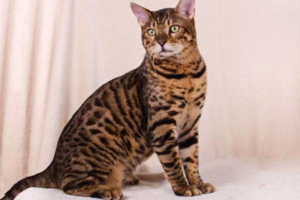
Why Your Cat Sheds So Much in Spring
Heavy spring shedding is usually normal as the winter coat drops, but loss that happens off-season can signal poor nutrition, a hormonal imbalance, or parasites and fungal infection. Daily brushing with a little massage is the best remedy, because healthy skin is what keeps shedding under control.

Can a Cat Recover from Feline Distemper on Its Own?
Feline distemper (panleukopenia) almost never clears without treatment; only a "false" case, where a vaccinated or robust cat carries the virus without symptoms, can be managed by boosting immunity. The virus is highly contagious, survives in the kidneys for over a year, and causes appetite loss, fever, vomiting, and diarrhea, so veterinary care and strict hygiene are essential.

What Are the Symptoms of Rabies?
Rabies is a bullet-shaped rhabdovirus that destroys the brain and is always fatal once symptoms appear. It spreads through the bite of an infected animal, runs through a long incubation then either a dumb (paralytic) or furious form, and can only be prevented through vaccination and prompt wound washing.

Which Insects Are Harmful to Cats
Many insects are harmless to cats, but spiders, stinging bees, venomous caterpillars, centipedes, scorpions, and fire ants can poison or injure them, and the chemicals used to kill pests are often more dangerous than the bugs. Monthly flea, tick, and heartworm prevention plus pet-safe products are the best protection.

Why Is Your Cat’s Ear Bleeding?
A bleeding ear usually means trauma, a middle-ear infection, or ear mites — and if you see no wound, an endoscopic exam is wise to rule out deeper disease. Treat minor scrapes at home, but let a vet handle severe infection or persistent bleeding.

Feline Ringworm: Treatment and Care
Feline ringworm is a common fungal skin disease — usually Microsporum canis — that leaves dry, round, scaly patches with broken hair on the face, ears, limbs, and tail, and glows yellow-green under a Wood's lamp. Treat by clipping and medicating beyond the edge, boosting B vitamins and sunlight, disinfecting the environment with diluted bleach, and using clotrimazole for small spots or oral terbinafine for widespread cases, while cutting back on baths.