Search Results
850 results for “Disease spread”

What Germs Do Stray Dogs Commonly Carry?
Stray dogs live in harsh conditions and meet many pathogens, often carrying viruses with no outward signs because they haven't fallen ill. Rabies, leptospirosis, distemper, and parvovirus are common and often fatal, and some are zoonotic, transmissible to people. Rabies spreads through saliva, leptospirosis through contaminated water or soil, distemper through air and contact, and parvovirus through urine, feces, and saliva, especially deadly to puppies. Stray feces can also hold parasites and bacteria like mange mites, demodex, fungi, and echinococcus (hydatid disease). If you rescue a stray, wear gloves and a smock, and get a full vet check, blood, stool, and skin, before bringing it home, while keeping your own pets vaccinated.
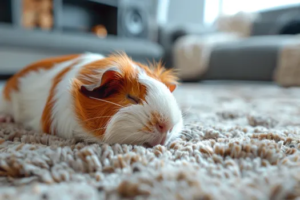
Common Illnesses in Golden Hamsters
Golden hamsters commonly face skin allergies, colds, diarrhea, constipation, and eye trouble such as conjunctivitis, mostly linked to diet and environment. To lower the risk, manage food and housing carefully, keep nutrition complete and safe, and maintain a clean, dry habitat.

What Causes Watery Stool in Cats?
Watery stool in cats can stem from diet, digestion, or disease, and the fix depends on the cause. Drinking too much water or eating very moist food can loosen stools, as can irregular, all-you-can-eat feeding that upsets a sensitive gut—here, pet probiotics help restore balance. Parasites and viruses are more serious: worms in the stool signal a parasite infection needing deworming, while an unvaccinated cat with watery diarrhea may have a dangerous viral infection and needs a vet fast. If diarrhea lasts or comes with other symptoms, see a clinic. Prevent it with measured feeding, regular deworming and vaccines, and a clean, disinfected home.

Symptoms and Treatment of One-Eye Cold in Parrots
One-eye cold is a common contagious eye condition in parrots, marked by swollen conjunctiva, watery discharge, lethargy, reduced appetite, and weakness, with respiratory signs in severe cases. If you notice these symptoms, take them seriously and treat promptly. Care begins with isolating the sick bird and disinfecting the cage, then gently cleaning the eye and applying bird-specific drops such as bird-specific eye drops or human erythromycin ointment—treating both eyes even if only one is infected. Serious cases need antibiotics under a vet's guidance. Daily hygiene, clean food and water, and regular check-ups are the best prevention.

Symptoms of Canine Leptospirosis
Leptospirosis is a serious dog disease caused by Leptospira bacteria - also called infectious jaundice or hemorrhagic jaundice - that spreads through skin, mucus membranes, and contaminated food or water, often peaking in summer and early autumn. Two forms stand out: one brings sudden fever, vomiting, dark bile-colored urine, yellow gums, and bleeding, while the other causes vomiting and bloody diarrhea with mouth ulcers and a death rate of 60-80 percent in acute cases. Diagnosis uses microscopy, culture, and blood tests, and treatment pairs antibiotics with liver and fluid support. Clean housing, rodent control, quarantine, and the two-type vaccine are the key preventives.

Checkerboard Barb
As a juvenile the checkerboard barb has irregular black spots on its side that look like pieces on a chessboard, hence the name. It is easy to keep, lively, and can be mixed with small fish.

Anglo Mink
The Anglo Mink is the domesticated pet ferret (Anglo / Marshall lines) kept as a companion animal. Intelligent, gentle, and easy to litter-train, it is heat-sensitive and mischievous when unwatched, needs a large wire-free cage and 4+ hours out daily, and eats a meat-based diet (30–35% protein, 15–20% fat). Lifespan 8–12 years.

Canine and Feline Coccidiosis: Symptoms, Treatment, and Prevention
Coccidiosis is caused by coccidia protozoa infecting the intestinal lining of puppies and kittens, causing watery diarrhea and, in heavy infection, bloody stool and wasting. It is treated with anticoccidial drugs and supportive care.

Canine Coronavirus (CCoV): Symptoms, Treatment, and Prevention
Canine coronavirus is a highly contagious viral infection that causes acute gastroenteritis in dogs. It spreads through contact with contaminated saliva, feces, and food, and typically produces vomiting, diarrhea, and appetite loss. Most dogs recover within 7 to 10 days, but the infection is known to recur.

Cat Cold vs. Feline Herpesvirus (Cat Flu): What’s the Difference?
Feline herpesvirus (cat flu / infectious rhinotracheitis) is a serious, potentially fatal respiratory disease with fever, eye inflammation, and high mortality in kittens, while an ordinary cat cold causes mild sneezing and clear discharge. Vaccination and lysine supplementation help prevent it.