Search Results
213 results for “Disease Prevention, Skin Care”

Treatment for Inflammatory Bowel Disease (IBD) in Dogs
IBD in dogs is treated with a novel or hydrolyzed-protein diet, antibiotics (metronidazole, tylosin), corticosteroids (prednisone), sulfasalazine for the colon, and sometimes azathioprine. Home care means strict meds and diet, regular follow-up, and watching for infection or steroid side effects.
Cat Heartworm Disease: Signs and Care
Heartworm spreads to cats through mosquito bites, especially in summer, and can cause cough, fluid buildup, and collapse. Treatment is serious and vet-only; prevention through mosquito control and vet-prescribed monthly preventives is far safer.
Is Matted Cat Fur a Sign of Skin Disease
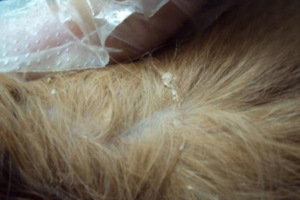
Matted fur isn't automatically a skin disease; often it just means the coat wasn't brushed. But mats trap moisture and oil, creating a breeding ground for infection, and ringworm or an old wound can also cause clumping. Regular grooming and the right ringworm care keep the skin healthy.

Treating Mite Skin Disease in Dogs
Mites hide in hair follicles and show as patches of hair loss, redness, and itching that worsen without care. A vet check, a skin spray and ointment, and a clean, dry, disinfected home bring the fastest recovery.

Schnauzer With Bumps and Scabs on the Skin
Bumps and scabs on a Schnauzer's skin usually point to a parasite problem or a fungal or bacterial infection. Small affected areas can often be managed at home with gentle cleaning and a vet-recommended spray, but widespread or worsening lesions need a vet visit.

How to Treat Fungal Skin Infection in a Puppy
Fungal skin infection in puppies is common, slow to clear, and easy to confuse with other conditions — poor nutrition, a dirty environment, or careless grooming all raise the risk. Signs include circular hair loss, scaly patches, pimples, and relentless scratching. Treat with medicated baths, an antifungal spray, and a repair ointment, while boosting nutrition and keeping the environment clean.

What to Do When Your Dog’s Skin Is Ulcerating and Oozing
Skin disease can progress to ulceration and oozing—often pyoderma—if left untreated, leaving a dog miserable and off its food. Clip and disinfect the spot, apply vet-prescribed medication, and prevent recurrence through parasite control, dryness, and a clean environment. Prevention beats cure.

Is Your Itchy Dog Suffering From a Skin Condition?
Itching is unpleasant and can crack the skin, but it isn't always a disease. Mild cases respond to natural aids like aloe or diluted apple-cider vinegar, while persistent itching needs a medicated spray and a clean, dry environment — with sunshine when possible.

How to Prevent Middle- and Inner-Ear Infection in Cats
Cat middle- and inner-ear infections usually start with an untreated respiratory infection or trapped moisture, so prevention means prompt care of sniffles, dry ears, gentle cleaning, and a clean, low-density home. Quarantine any new cat before it meets the resident crew.

Treating E. coli Infection in Dogs and Cats
Colibacillosis is an acute intestinal infection of young dogs and cats caused by pathogenic E. coli, marked by fever, vomiting, and foul-smelling diarrhea that can turn fatal. It mimics many other diseases (distemper, parvovirus, salmonellosis), so a lab test is needed for diagnosis; treatment is antibiotics chosen by sensitivity testing plus strict hygiene and early colostrum.